Bob Weir: 10 Essential Songs You Need to Hear
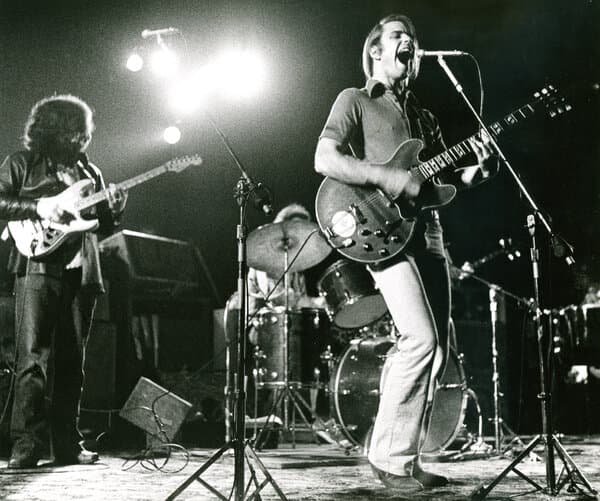
Robert Weir has long stood as one of the most distinctive and influential figures in the history of rock music. As a founding member of the Grateful Dead, his unique approach to rhythm guitar and his rich, weathered vocal delivery helped define the band's eclectic sound. While Jerry Garcia often took center stage as the primary melodic lead, Weir was the band’s harmonic anchor and stylistic chameleon, constantly pushing the boundaries of what rock, folk, and country music could sound like when intertwined. From the very beginning, Weir’s musical contributions were pivotal. He joined Garcia and Ron "Pigpen" McKernan in the early 1960s, initially serving as a teenager who absorbed the folk revival and bluegrass traditions. However, it wasn't long before he carved out a niche as a rhythm guitarist who didn't just strum chords but played complex voicings that filled the sonic space between Garcia’s lead lines. His style was influenced by jazz greats like Wes Montgomery and the intricate fingerpicking of Elizabeth Cotten, creating a sound that was percussive, melodic, and harmonically sophisticated. Throughout the Grateful Dead’s massive catalog, Weir stepped up to the microphone to deliver lead vocals on some of the band’s most enduring anthems. He didn't just sing the songs; he inhabited them, often bringing a theatrical flair and a raw, emotive power that contrasted beautifully with Garcia’s smoother tenor. His songwriting collaboration with John Barlow and Robert Hunter produced a treasure trove of material that explored mythic Americana, cowboy ballads, and biting social commentary. To celebrate his immense legacy, we have curated a list of 10 essential tracks that showcase the breadth of Bob Weir’s artistry. This selection highlights his evolution from a young acoustic troubadour to a psychedelic rock innovator and beyond. **1. "One More Saturday Night"** Closing out the legendary 1971 album *Grateful Dead* (often called the "Skull and Roses" album), this Weir original is a high-energy barnstormer. It captures the essence of the Dead’s live concert experience. The song features driving piano from Keith Godchaux and a relentless rhythm section that propels Weir’s vocals forward. It’s a straight-ahead rocker that became a staple of the second set, always guaranteed to get the crowd moving. **2. "Cassidy"** Written in the acoustic tradition, "Cassidy" showcases Weir’s deep connection to the folk roots of the 1960s Bay Area scene. The song is dedicated to Cassidy Law, the daughter of a roadie, and it carries a sense of wonder and innocence. The interplay between Weir’s guitar and the mandolin of David Grisman (on the *Wake of the Flood* version) is exquisite. It is a prime example of Weir’s ability to craft a song that feels both intimate and expansive. **3. "Lost Sailor" > "Saint of Circumstance"** This two-part suite from the 1980 album *Go To Heaven* represents a peak of Weir’s songwriting with lyricist John Barlow. "Lost Sailor" is a haunting ballad about drifting and finding oneself adrift, featuring a beautiful, melancholic guitar solo. It transitions seamlessly into the upbeat, jazz-infused "Saint of Circumstance." Together, they form a thematic and musical unit that demonstrates Weir’s mature rock sound during the early 1980s. **4. "The Music Never Stopped"** A classic opener from 1972’s *Europe '72*, this track is pure joy. It’s a funky, R&B-infused number that allows the entire band to stretch out. Weir’s vocal performance is loose and engaging, riding the pocket of the groove laid down by the rhythm section. The song celebrates the communal spirit of the music and the inability of outside forces to stop the creative flow. It remains one of the most beloved tunes in the repertoire. **5. "Mexicali Blues"** Early in his career, Weir showed a penchant for narrative storytelling mixed with country twang. "Mexicali Blues," from the debut album *The Grateful Dead* (1967), is a rollicking tale of a man crossing the border and getting into trouble. Pigpen’s harmonica adds a gritty texture, and Weir’s vocal delivery is full of character. It’s a fun, energetic track that highlights the band’s ability to blend genres effortlessly. **6. "Easy to Love You"** While the Grateful Dead are often associated with the 1960s and 70s, Weir continued to write compelling material in later years. This track, from the 1990 album *Built to Last*, is a smooth, soulful rocker. It features a polished production style characteristic of the era, but Weir’s vocal remains earnest and warm. The song demonstrates that his songwriting chops remained strong even as the band navigated the changing musical landscape of the late 80s and early 90s. **7. "Black Throated Wind"** Co-written with John Barlow, this song became a concert staple and a powerful vehicle for Weir’s emotive singing. It appears on the studio album *Workingman's Dead* but truly came alive on stage. The lyrics speak of leaving home and the relentless pull of the road. Weir often delivered this song with a desperate intensity, particularly in the post-Jerry era, using it as a vehicle to express the band's resilience. **8. "Sugar Magnolia"** One of the most famous songs in the Dead canon, "Sugar Magnolia" is actually a Weir/Barlow composition. It is the opening track of *American Beauty* and serves as a blast of pure sunshine. The piano intro is instantly recognizable, and the "Sunshine Daydream" coda is an absolute explosion of energy. It’s a testament to Weir’s ability to write a perfect pop-rock song that has stood the test of time. **9. "El Paso"** The Grateful Dead were masters of covering traditional songs and reinventing them. Weir took the lead on this Marty Robbins classic, turning it into a folk-rock epic. The Dead’s version is much faster and more urgent than the original, capturing the drama of the Old West gunfight. It’s a showcase of Weir’s ability to take an old standard and make it entirely his own, infusing it with the band’s unique psychedelic energy. **10. "Throwing Stones"** Closing out this list is perhaps Weir’s most significant piece of social commentary. Written with John Barlow, "Throwing Stones" was a concert closer during the 1980s, offering a dark, prophetic look at American society and the dangers of drug addiction and greed. Musically, it starts as a mid-tempo rock song before launching into a furious, chaotic jam section (often paired with "Not Fade Away"). It remains a powerful statement on the fragility of life and society. Bob Weir’s contribution to the Grateful Dead cannot be overstated. He provided the musical glue that held the improvisational juggernaut together and offered a songwriting voice that explored different corners of the American experience. Whether he was playing a delicate folk ballad or shredding a rock anthem, Weir’s artistry continues to resonate with audiences worldwide.