Nationwide Anti-ICE Protests Erupt Following Minneapolis Shooting Incident
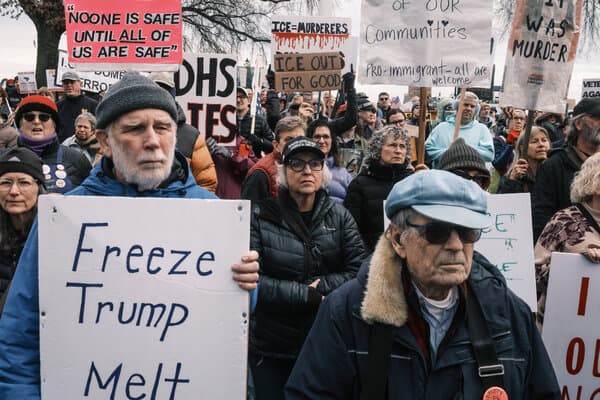
A wave of protests has swept across the United States following a shooting incident involving Immigration and Customs Enforcement (ICE) officials in Minneapolis. The event, which took place earlier this week, has ignited a firestorm of controversy and activism, leading to demonstrations in major cities including New York, Los Angeles, Chicago, and Atlanta. According to preliminary reports, the shooting occurred during an operation conducted by ICE agents in the Minneapolis area. Details surrounding the specific circumstances remain under investigation, but early accounts suggest the incident resulted in injuries, raising immediate concern among community leaders and civil rights organizations. The identity of the individual shot has not been released pending notification of family, and the condition of the person remains a point of contention in official reports versus witness statements. The Minneapolis chapter of local advocacy groups was the first to respond, organizing an immediate gathering at the site of the shooting. Within hours, the movement gained traction on social media platforms, with hashtags related to the incident trending nationally. This digital mobilization quickly translated into physical action, with coordinated protests planned in solidarity across the country. In Washington D.C., hundreds gathered outside the Department of Homeland Security headquarters. Protesters carried signs with slogans such as "Abolish ICE," "Justice for Victims," and "No One is Illegal." Chants echoed through the streets as organizers delivered speeches condemning the agency's tactics and calling for a comprehensive overhaul of US immigration enforcement policies. Similar scenes played out in Los Angeles, where the 10 Freeway saw temporary disruptions as marchers made their way toward federal buildings. Law enforcement presence has been significantly heightened in response to the growing unrest. In Minneapolis, the local police department has coordinated with federal agents to secure government buildings, while emphasizing the right to peaceful assembly. However, reports have emerged of isolated clashes between protesters and law enforcement in cities like Portland and New York, resulting in a handful of arrests for obstruction and disorderly conduct. Community leaders in Minneapolis have issued statements urging calm while demanding transparency. The Mayor of Minneapolis released a statement calling for an immediate and independent investigation into the shooting. "We are deeply troubled by the reports coming from our community," the statement read. "We call for full cooperation with all investigative bodies and for the truth to be brought to light as quickly as possible." Civil rights organizations, including the ACLU and the Minnesota Immigrant Rights Action Committee (MIRAC), have seized the moment to highlight what they describe as a pattern of aggression by ICE agents. They point to recent data suggesting an increase in use-of-force incidents involving the agency. "This is not an isolated event," said a spokesperson for MIRAC. "This is the result of years of unchecked power and a lack of accountability within federal immigration enforcement." The White House has responded to the escalating situation with a statement defending the actions of ICE agents, citing the necessity of enforcing immigration laws. A spokesperson for the Department of Homeland Security stated that the agents involved in the Minneapolis incident were acting in accordance with protocol and were responding to a threat. They assured the public that a thorough internal review is underway. Despite these assurances, protesters remain unconvinced. The demonstrations have drawn a diverse crowd, including students, labor union members, and families of individuals who have previously been detained or deported. The narrative has expanded beyond the single shooting incident to encompass broader grievances regarding the treatment of migrants, conditions in detention centers, and the political climate surrounding immigration. As the weekend approaches, organizers are planning larger mobilizations. The potential for sustained unrest poses a significant challenge to local and federal authorities. The incident has also drawn international attention, with human rights groups in Europe and Latin America issuing statements of concern. The investigation into the specific details of the shooting continues. Body camera footage, if it exists, has not yet been released to the public. Witness accounts remain the primary source of information, and they vary in their description of the events leading up to the gunfire. In the meantime, the families of those involved are being represented by legal counsel who have promised to pursue justice through the court system. The legal battles that arise from this incident are likely to be lengthy and highly publicized. The impact of these protests is being felt in the political arena as well. Several progressive lawmakers have already called for hearings into ICE conduct, while conservative figures have reiterated their support for the agency. The incident has become a flashpoint in the ongoing national debate about immigration reform. Looking forward, the stability of the cities affected by these protests remains a primary concern. Local businesses have boarded up windows in anticipation of further demonstrations. School districts in Minneapolis and other major cities have adjusted schedules or closed facilities due to safety concerns. The narrative of the Minneapolis shooting is still unfolding. What began as a localized incident has rapidly transformed into a national movement, highlighting the deep divisions within American society regarding immigration and law enforcement. The coming days will be critical in determining whether this wave of protest leads to substantive policy changes or simply reinforces the existing political stalemate. Protests in New York City centered around Foley Square, where crowds gathered to listen to speakers demanding the defunding of ICE. The event remained largely peaceful, though tensions rose briefly when a group of counter-protesters attempted to approach the stage. Police intervened to separate the groups. In Texas, where immigration enforcement is a particularly sensitive topic, protests were smaller but vocal. Demonstrations took place in Houston and Dallas, areas with large immigrant populations. Organizers in these states face a more restrictive legal environment regarding protests, yet they persisted in expressing their outrage. The role of social media cannot be understated in the rapid spread of this movement. Videos purporting to show the aftermath of the shooting circulated widely, though the authenticity of some of these videos has not been verified. Platforms like Twitter and Instagram have become battlegrounds for competing narratives, with users debating the legitimacy of the protests and the conduct of law enforcement. Civil liberties groups are monitoring the police response closely, warning against excessive force. There are reports of the use of non-lethal crowd control measures in some locations. Legal observers have been deployed to various protest sites to document any potential civil rights violations. The shooting has also impacted the legislative agenda in Washington. Discussions on immigration reform, which had stalled in recent months, have seen a sudden resurgence. Some legislators are calling for a "Cecil Roberts Act" style bill specifically targeting ICE accountability, while others argue for increased funding for the agency to ensure better training and oversight. The federal judge in Minnesota has not yet issued any injunctions regarding the activities of ICE in the region, though legal challenges are expected to be filed by the end of the week. The plaintiffs are expected to argue that the shooting represents a violation of constitutional rights. Religious leaders have also entered the fray, organizing interfaith vigils in solidarity with the shooting victim. These events have provided a more somber tone to the protests, focusing on human dignity and the sanctity of life. The economic impact of the protests is beginning to be assessed. While short-term disruptions to commerce are evident, the long-term impact on tourism and business investment in the affected cities is still unknown. However, city officials are optimistic that the situation will resolve without lasting damage to the local economy. The Department of Justice has opened a civil rights investigation into the shooting, a move welcomed by protesters but viewed with skepticism by some law enforcement advocates who believe it prejudices the internal affairs process. As night falls on the cities where protests continue, the atmosphere remains charged. The chants of the protesters serve as a reminder that the issue of immigration remains one of the most divisive and emotional topics in American life. The events in Minneapolis have served as a catalyst, bringing long-simmering tensions to the surface. The coming week will be pivotal. If the protests continue to grow, pressure will mount on the Biden administration to take decisive action. If they subside, the focus will shift entirely to the legal proceedings regarding the shooting itself. Regardless of the outcome, the Minneapolis shooting has left an indelible mark on the discourse surrounding immigration in America. Families at the protests have emphasized that their goal is not violence, but rather a fundamental change in how the nation treats immigrants. "We are here for our children," said one protester in Chicago. "We want a future where they don't have to fear the government." Meanwhile, the debate over the release of body camera footage continues. The Minneapolis Police Department has stated that they do not possess the footage, as it was a federal operation. Federal authorities have not committed to a timeline for releasing any potential video evidence. The international community is watching closely. The United Nations High Commissioner for Human Rights has issued a statement calling for restraint and for all parties to respect the rule of law. This adds an external layer of pressure on the US government. In summary, the shooting in Minneapolis has triggered a complex and multifaceted response. It has exposed the raw nerves of a nation struggling with its identity and its policies regarding who is allowed to live within its borders. The protests are a physical manifestation of a deeper ideological conflict that shows no signs of abating soon.