US Hiring Maintains Moderate Tempo Amidst Emerging Weaknesses
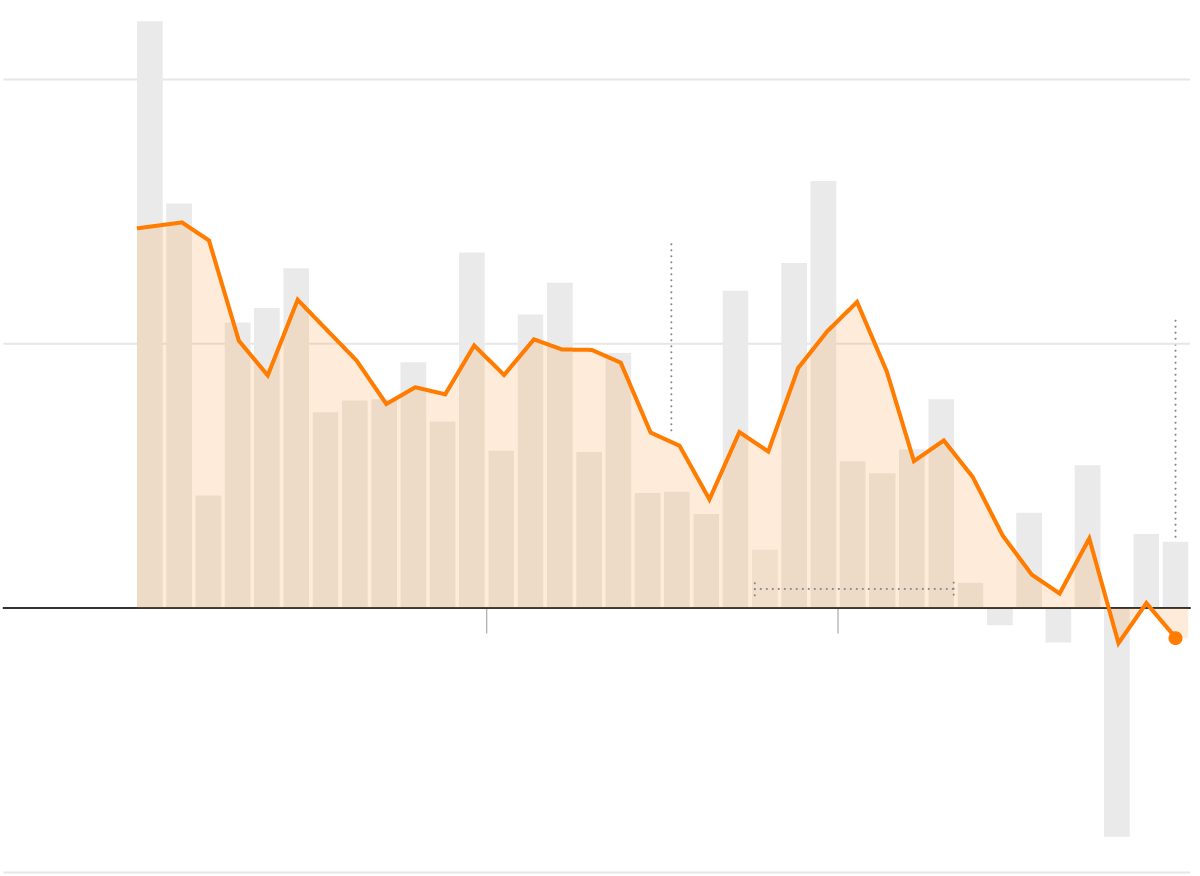
The United States labor market displayed a steady yet unspectacular performance in the final month of the year, suggesting an economy that is navigating a delicate balance between resilience and deceleration. Recent data indicates that employers continued to add jobs at a moderate pace in December, a trend that aligns with broader expectations for a cooling labor market as the Federal Reserve's monetary policy tightens its grip on the economy. While the headline numbers suggest stability, a closer examination of the underlying data reveals distinct cracks in the foundation, pointing to potential challenges ahead for workers and policymakers alike. Throughout the year, the labor market has been a source of surprise strength, consistently defying predictions of a significant downturn. However, the latest report signals that the persistent cooling trend is firmly entrenched. Job gains remained positive, but the rate of growth has noticeably slowed compared to the frenetic pace seen during the post-pandemic recovery. This moderation is largely viewed by economists as a necessary and expected adjustment, bringing labor demand more in line with the available supply of workers. One of the most telling signs of this cooling was the rise in the unemployment rate, which ticked up to 3.9%. While still historically low, this increase from the previous year's lows breaks a streak of remarkable stability and suggests that some workers are finding it more difficult to secure new positions. The labor force participation rate also remained essentially unchanged, stuck below pre-pandemic levels, indicating that many potential workers remain on the sidelines despite strong wage offers in certain sectors. The report highlighted a growing divergence in the health of the labor market across different sectors. The service-providing industries, which had been a powerhouse of job creation, showed signs of significant slowing. Sectors like leisure and hospitality, which had been playing catch-up after devastating losses during the pandemic, continued to add workers, but at a much-reduced rate. Professional and business services also saw a deceleration, a worrying sign as this sector is often seen as a proxy for white-collar demand. In stark contrast, the goods-producing sector, particularly manufacturing, showed unexpected resilience. Gains in manufacturing were a bright spot in an otherwise downbeat report, buoyed by government initiatives to bolster domestic production of semiconductors and green energy technology. Construction also held up surprisingly well, driven by sustained demand for new housing units and infrastructure projects. This split personality of the labor market underscores the complex adjustments taking place as the economy rebalances. For workers, the cooling market is having a direct impact on bargaining power. Wage growth, which had been a central driver of inflation concerns, continued to moderate. Average hourly earnings rose by 3.4% over the year, a solid pace but down significantly from the peak of nearly 6% seen in early 2022. This slowdown in wage gains is a key ingredient the Federal Reserve is looking for as it tries to bring inflation back down to its 2% target without triggering a deep recession. From the perspective of the Federal Reserve, the latest figures will likely be seen as welcome progress. The central bank has been aggressively raising interest rates to cool demand across the economy, and the labor market is a primary transmission mechanism. A market where job openings are declining and wage pressures are easing gives the Fed more confidence that its policies are working as intended. This could influence the central bank to pause its rate hikes sooner rather than later, or at least to avoid further increases. However, the report was not without its darker elements. The number of temporary help services jobs, often seen as a leading indicator of future labor demand, declined again. This suggests that businesses are becoming more cautious about their hiring outlook and are opting to trim their use of contract workers before making permanent staff cuts. Additionally, the average workweek saw a slight reduction, a subtle but important signal that employers are reducing hours rather than resorting to outright layoffs—a move that often precedes a more significant downturn. Looking ahead, the outlook for the U.S. labor market remains clouded with uncertainty. The full impact of the Fed's rapid rate hikes has yet to be felt across the broader economy. While the labor market has proven remarkably adaptable, the persistent weaknesses evident in the latest report could signal a more pronounced slowdown in the coming months. The key question for 2026 remains whether the economy can achieve a 'soft landing,' where inflation is tamed without inflicting major pain on the workforce, or if the current modest weaknesses will evolve into a more significant recessionary downturn.