Analyzing Iran's Widespread Anti-Government Protests and Their Impact
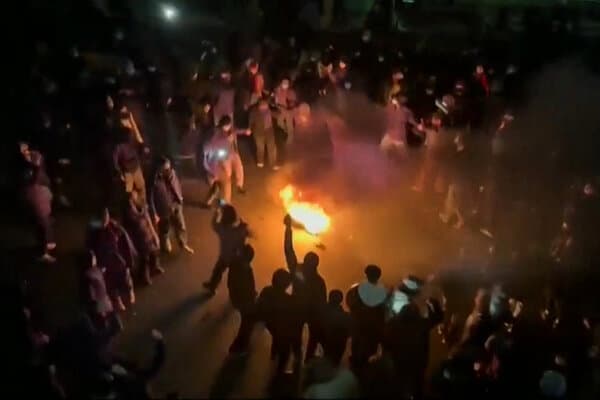
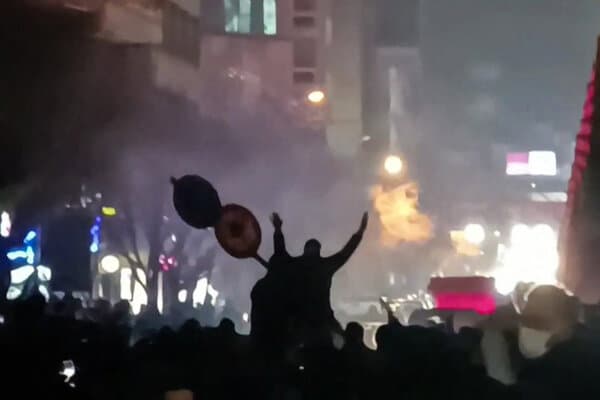
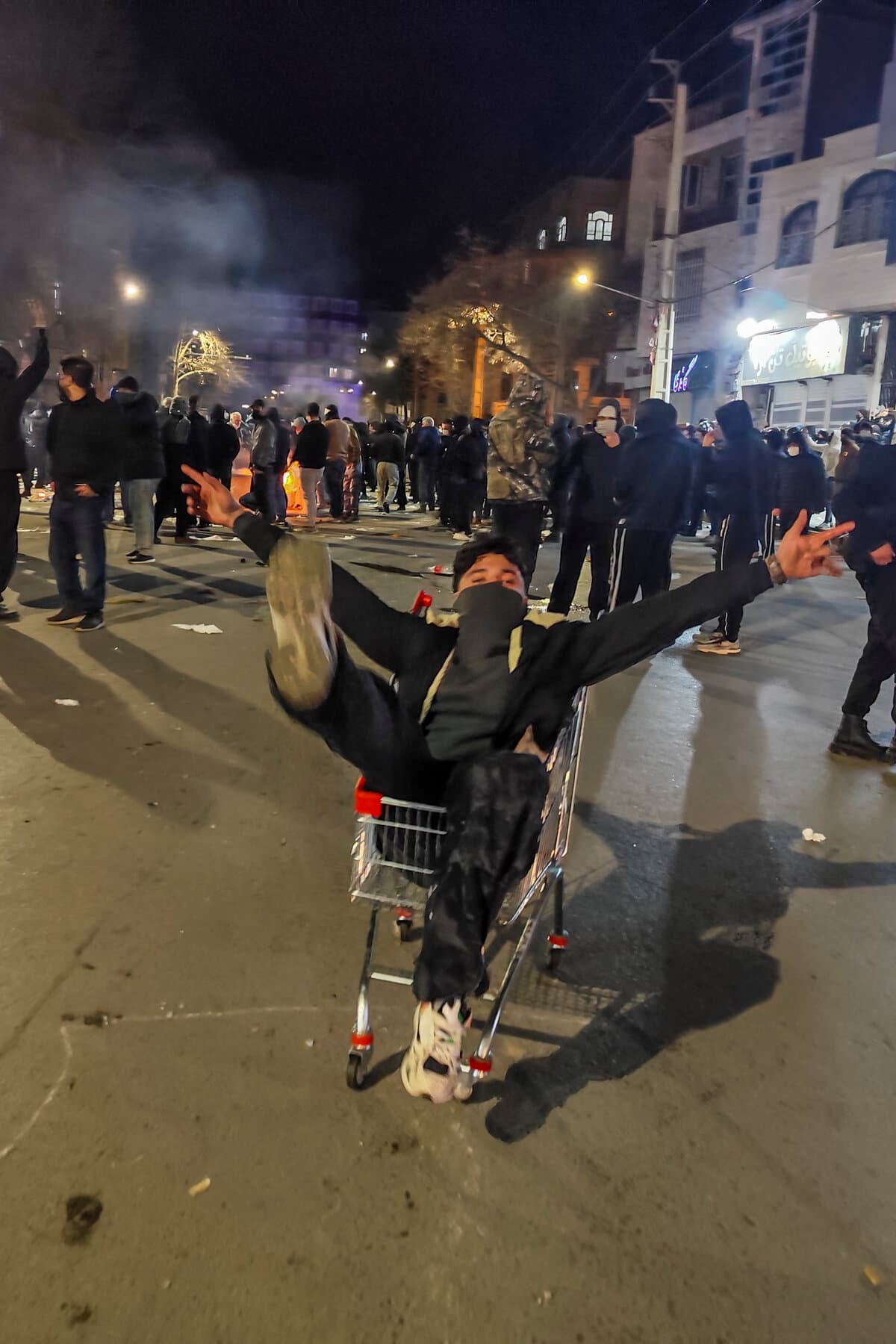
The widespread anti-government protests in Iran represent one of the most significant challenges to the Islamic Republic's authority in decades. Sparked by the death of Mahsa Amini in September 2022, these protests quickly evolved into a broader movement calling for the end of theocratic rule. Demonstrators, led by women and young people, have chanted against the Supreme Leader and rejected the mandatory hijab laws that have been a cornerstone of the regime's social policies. The government's response has been severe. Security forces, including the Basij militia and the Islamic Revolutionary Guard Corps (IRGC), have cracked down with lethal force. Reports from human rights organizations indicate thousands of arrests and hundreds of deaths, including children. The state has also imposed severe internet restrictions to disrupt organizing and silence dissent, cutting off access to social media platforms and the global internet. Despite this, protesters continue to find ways to mobilize, using VPNs and offline communication methods to sustain the movement. Economic grievances have fueled the unrest as well. High inflation, widespread unemployment, and corruption have eroded public trust in the government. Many Iranians feel that the regime prioritizes its regional ambitions and nuclear program over the welfare of its citizens. The protests have spread to all 31 provinces, signaling a lack of safe havens for the regime. Universities and oil workers have joined the strikes, adding economic pressure to the political crisis. Internationally, the response has been mixed. Western nations have imposed sanctions on Iranian officials and entities involved in the crackdown, while the United Nations has called for an independent investigation into human rights abuses. However, the Iranian government continues to accuse foreign powers of orchestrating the unrest, a narrative it uses to justify its brutal tactics. The lack of a unified opposition leadership within Iran complicates the path forward, but the persistence of the protests suggests a deep-seated desire for fundamental change in the country's governance structure.