Protests in Iran Enter Third Night as Death Toll Climbs
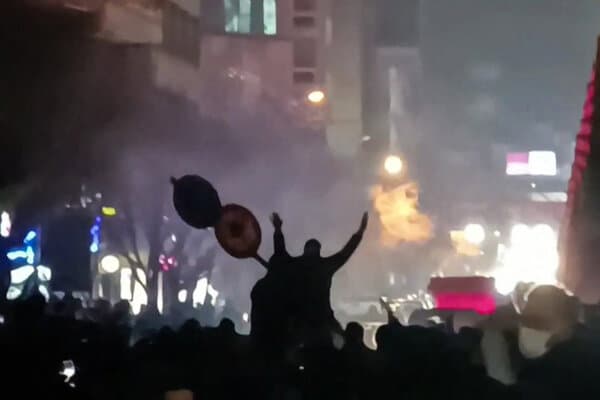
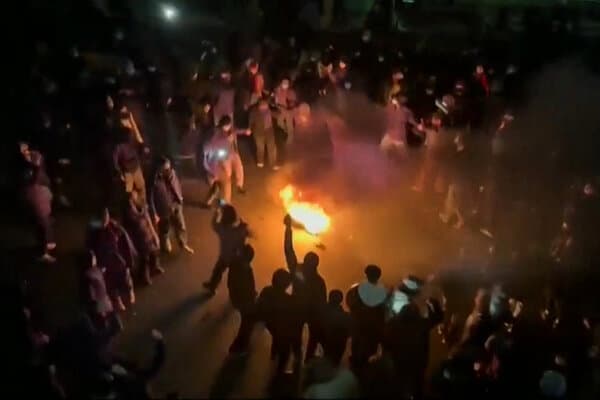
The streets of Iran have been transformed into battlegrounds as nationwide protests continue for a third consecutive night. Anger and grief are palpable across major cities including Tehran, Isfahan, and Shiraz, where demonstrators have clashed with security forces in the most significant challenge to the Islamic Republic's authority in years. The unrest, sparked by the death of a young woman in police custody, has evolved into a broader movement against government oppression and economic hardship. Eyewitness accounts describe scenes of chaos as protests intensify despite a heavy security presence. The death toll, which has been steadily rising, now stands at dozens, including both protesters and security personnel, marking a grim escalation in the government's crackdown. Authorities have responded with increasing force, deploying riot police, paramilitary Basij forces, and using water cannons, tear gas, and, according to multiple reports, live ammunition against unarmed crowds. The internet blackout imposed by the government has made verification difficult, but social media footage, smuggled out despite the restrictions, shows protesters chanting anti-regime slogans and burning images of the Supreme Leader. The catalyst for this wave of protests was the death of Mahsa Amini, a 22-year-old woman from the Kurdistan region, who died after being arrested by the country's notorious morality police for allegedly violating strict hijab rules. Her death ignited long-simmering frustrations over decades of state-imposed restrictions on personal freedoms, particularly for women, and a deteriorating economy battered by sanctions and mismanagement. The government has vowed a harsh response, labeling the protesters as rioters and foreign agents. State television has broadcast images of what it claims are armed protesters attacking security forces, but these claims are difficult to verify independently. Meanwhile, international condemnation is growing, with human rights groups and foreign governments calling for an end to the violence and an independent investigation into the deaths. The protests represent a rare and widespread display of defiance, with women removing their headscarves in public, dancing in the streets, and confronting security forces directly. This movement, fueled by a generation of young Iranians connected via social media, appears to have no easy resolution, and the government seems determined to crush it at any cost, setting the stage for further violence and instability in the volatile region. The economic dimension of the crisis cannot be ignored. Years of crippling US sanctions, combined with government corruption and mismanagement, have left millions of Iranians in poverty, with soaring inflation and widespread unemployment. For many young people, the protests are not just about one woman's death, but about a future that has been stolen from them. As the nights wear on, the world watches with bated breath, hoping for a peaceful resolution but fearing that the Iranian government's hardline stance will lead to an even greater tragedy. The resilience of the protesters, who continue to gather despite the immense risks, speaks to a depth of anger and a desire for change that has been building for a very long time. The situation remains fluid and extremely dangerous, with reports of mass arrests and families being intimidated into silence. The path forward is uncertain, but it is clear that the events of the past few nights have fundamentally altered the political landscape in Iran, possibly for years to come.