U.S. Conducts Major Airstrikes Against Islamic State in Syria
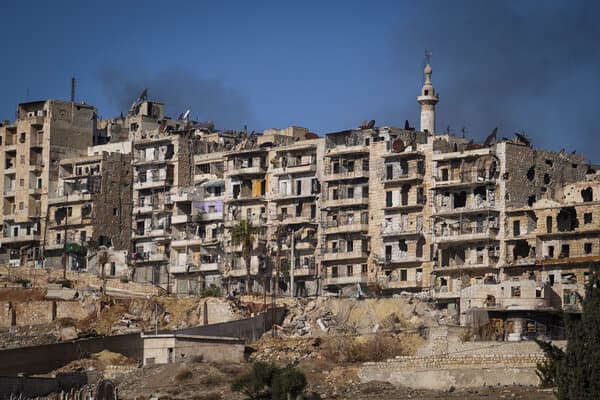
The United States military has initiated a series of large-scale airstrikes targeting Islamic State (IS) positions across multiple locations within Syria. This significant military operation, authorized by senior defense officials, marks a substantial escalation in the ongoing campaign against the extremist group. According to Pentagon statements, the precision airstrikes were aimed at disrupting terrorist operations and dismantling critical infrastructure used by IS militants to plan and execute attacks both regionally and internationally. Defense Secretary Lloyd Austin addressed the nation following the operations, emphasizing that these strikes were a direct response to credible intelligence indicating imminent threats. The targeted locations included known IS command centers, training camps, and weapons storage facilities situated in remote areas of Syria. The U.S. Central Command confirmed that the missions were executed with minimal collateral damage, utilizing advanced aerial assets and real-time intelligence to ensure precision. Syrian Democratic Forces (SDF), long-time allies in the fight against IS, provided crucial intelligence and ground support for the operations. The SDF has been instrumental in holding territory previously liberated from the extremist group, and this coordinated effort underscores the continued partnership between the U.S. and local forces. However, the strikes have also drawn condemnation from the Syrian government, which condemned the U.S. presence as a violation of sovereignty and an act of aggression. The timing of these strikes is critical. Intelligence reports suggest that the Islamic State has been attempting a resurgence, leveraging the chaotic security situation in the region to regain a foothold. Analysts note that despite losing its territorial caliphate years ago, the group remains a potent insurgency with cells operating in Syria and Iraq. The U.S. operation is seen as a preemptive measure to crush this reorganization effort before it gains momentum. International reactions have been mixed. While NATO allies have expressed support for the U.S. actions, labeling them as necessary for global security, Russia and Iran have criticized the move, warning that it could destabilize the region further. The United Nations has called for restraint and a renewed focus on political solutions to the long-standing Syrian conflict. Meanwhile, defense experts suggest that this show of force serves as a stark warning to terrorist networks that the U.S. remains committed to its counter-terrorism objectives regardless of geopolitical shifts. As the situation develops, the Pentagon has indicated that additional operations may follow to ensure the permanent degradation of IS capabilities. This recent escalation highlights the fragile nature of security in the Middle East and the persistent threat posed by extremist organizations, reinforcing the need for sustained international cooperation in combating terrorism.