California Wild Mushroom Poisoning Deaths Climb to Three
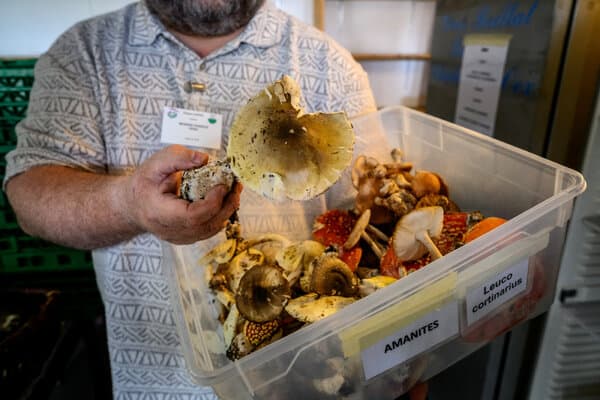
The death toll from a series of wild mushroom poisonings in California has risen to three, health officials confirmed this week. The fatalities are linked to a foraging expedition that turned deadly after the consumption of toxic fungi mistaken for edible varieties. The victims, whose identities have not yet been released pending family notification, reportedly consumed the mushrooms over the weekend in a rural area of Northern California. Emergency services were dispatched to the scene late Monday night following reports of severe gastrointestinal distress and neurological symptoms. Despite aggressive medical intervention, three individuals succumbed to the toxins, while several others remain in critical condition in local intensive care units. Toxicologists at the regional poison control center have identified the mushrooms as likely belonging to the deadly Galerina marginata species, known colloquially as the Funeral Bell. These small, brown-capped mushrooms contain amatoxins, the same potent poisons found in the lethal Death Cap mushroom. Amatoxins inhibit RNA polymerase II, leading to cellular death and catastrophic liver failure. The incubation period for these toxins is deceptive, often allowing symptoms to delay for six to twelve hours after ingestion. By the time patients experience vomiting and diarrhea, significant organ damage has often already occurred. Dr. Sarah Jenkins, a leading mycologist consulted on the case, warned that novice foragers are particularly at risk. "Galerina marginata bears a striking resemblance to several edible psychedelic and culinary mushrooms, including the widely sought Honey Mushroom," Dr. Jenkins explained. "Without microscopic examination or DNA testing, distinguishing them is nearly impossible for the untrained eye. The only safe rule is: when in doubt, throw it out." The incident has sparked a renewed public health alert across the state. Officials are urging residents to avoid foraging for wild mushrooms entirely unless they are accompanied by a certified expert. The California Department of Public Health has issued a bulletin detailing the rapid progression of mushroom poisoning. Initial symptoms often mimic common food poisoning, leading victims to delay seeking treatment. However, the department emphasizes that immediate medical attention is critical for survival. "Time is the enemy," said Dr. Marcus Thorne, a hepatologist at San Francisco General Hospital. "If a patient presents within the first few hours, we can sometimes use activated charcoal to bind the toxins. Beyond that, the only option is often emergency liver transplantation." The investigation into the exact source of the mushrooms is ongoing. Authorities are canvassing the area where the foraging took place to identify and remove any remaining toxic fungi to prevent further incidents. This tragedy serves as a stark reminder of the dangers lurking in the wild, particularly during the rainy season when mushroom blooms are at their peak. Foraging communities have expressed shock and grief over the loss, noting that the group involved was experienced but may have fallen victim to a particularly deceptive look-alike. In light of this event, several local foraging groups have suspended group outings and are offering free identification workshops to educate the public on the dangers of wild fungi. Medical experts advise that anyone who suspects they have ingested wild mushrooms should not wait for symptoms to develop but should proceed to the nearest emergency room immediately. Bringing a sample of the mushroom, or even taking a clear photograph, can be lifesaving by allowing doctors to identify the specific toxin involved. As the investigation continues, the community is left to mourn the loss of three lives cut short by a simple mistake with fatal consequences.