Congress Directly Challenges Former President Trump on Multiple Fronts
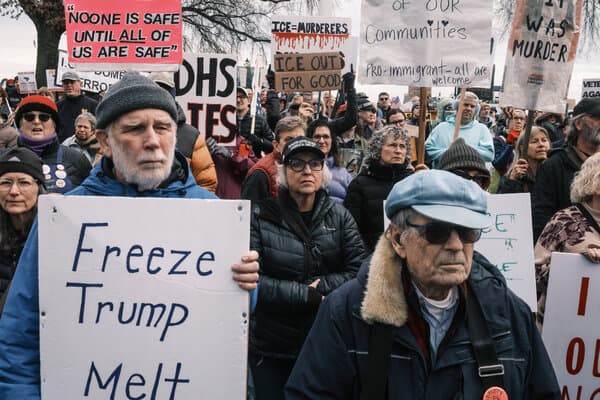
In a series of bold legislative maneuvers, Congress has launched a multifaceted challenge against former President Donald Trump, targeting his policies on national security, healthcare, and federal spending. This coordinated effort marks a significant escalation in tensions between the legislative branch and the former administration, as lawmakers seek to reassert their constitutional authority over critical policy domains. The confrontation centers on several key areas where Trump's previous actions and current influence have drawn sharp criticism from congressional leaders. At the forefront of this battle is the issue of war powers, where legislators are pushing to limit executive authority to unilaterally commit American forces to conflicts without explicit congressional approval. This push comes in response to Trump's past rhetoric about using military force and his controversial decision-making regarding international interventions. Healthcare policy has emerged as another major battleground. Congressional Democrats and some Republicans are working to strengthen the Affordable Care Act and expand access to medical services, directly opposing Trump's efforts to dismantle key provisions during his presidency. The current legislative agenda includes measures to protect pre-existing condition coverage and reduce prescription drug costs, policies that Trump had frequently targeted. Spending and budgetary matters have also become a central point of contention. Lawmakers are scrutinizing fiscal policies enacted during Trump's tenure that they argue contributed to the national debt and favored wealthy interests over working-class Americans. New proposals aim to close tax loopholes and implement stricter oversight on government expenditures, reversing course from previous administration priorities. The strategic approach by Congress reflects a broader effort to institutionalize checks and balances that may have been eroded during Trump's time in office. Bipartisan coalitions are forming around specific initiatives, suggesting that the challenge transcends traditional party lines and represents a more fundamental debate about the scope of presidential power. Republican responses to these congressional actions have been swift and defiant. Trump's allies in Congress have characterized the moves as partisan overreach, arguing that they represent an attempt to undermine his political influence and legacy. Some have threatened to block the legislation through filibusters or by leveraging their control of certain committees. Legal experts note that this clash could have lasting implications for executive-legislative relations, potentially setting new precedents for how future presidents interact with Congress on matters of war, health, and fiscal policy. The outcome of these disputes may ultimately be decided in the courts, where arguments about constitutional separation of powers will receive thorough examination. Progressive advocacy groups have rallied behind the congressional effort, organizing grassroots campaigns to pressure moderate lawmakers and demonstrate public support for the initiatives. Meanwhile, business leaders and policy analysts are closely monitoring the situation, concerned about the potential economic impacts of reversing Trump-era policies. As this political drama unfolds, the nation watches to see whether Congress can successfully translate its challenges into concrete legislative victories that will reshape the balance of power in Washington and redefine the boundaries of presidential authority for years to come.