Delcy Rodriguez: The Venezuelan Official Central to Trump's Strategy
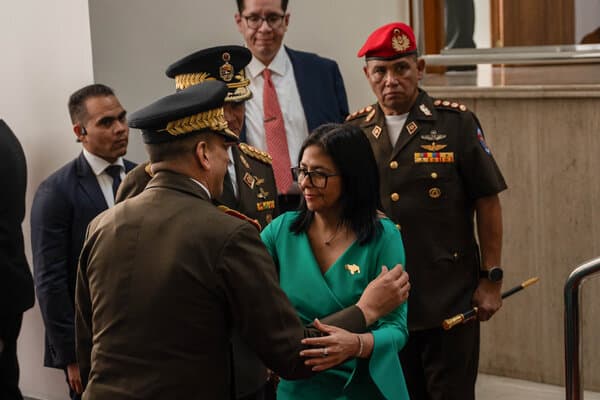
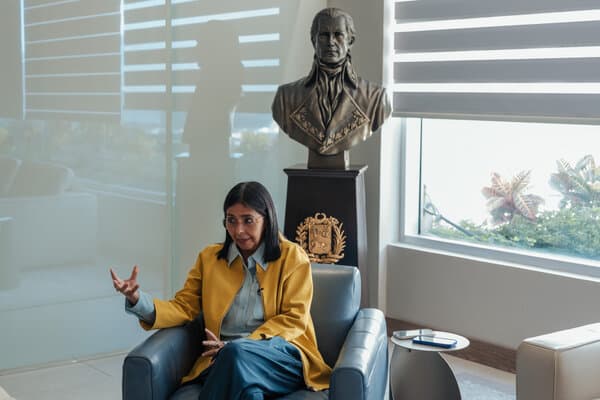
In the complex geopolitical landscape of 2026, Delcy Rodriguez has emerged as a pivotal figure in the strained relationship between the United States and Venezuela. Once viewed primarily through the lens of domestic Venezuelan politics, her role has evolved significantly, positioning her as an indispensable intermediary in the Trump administration's shifting strategy regarding the oil-rich nation. This development marks a surprising turn for Rodriguez, a high-ranking official within the Maduro government, who has managed to navigate the intricate corridors of power in Caracas and Washington with a rare combination of political astuteness and diplomatic pragmatism. Her ascent to prominence within the context of US foreign policy is not merely a reflection of her official titles—she has served as Vice President and Foreign Minister—but rather a testament to her unique ability to bridge divides that seemed unbridgeable just a few years ago. The Trump administration, initially characterized by its hardline stance against the Venezuelan government, including severe sanctions and explicit calls for regime change, has found in Rodriguez a reliable, if unlikely, partner for managing specific critical issues. The primary driver of this engagement remains the global energy market. With ongoing instability in the Middle East and the administration's focus on ensuring affordable energy for American consumers, securing a steady flow of Venezuelan crude has become a strategic imperative. Rodriguez has been the key architect behind the scenes, facilitating negotiations that allow for limited oil exports to the US while carefully navigating the treacherous waters of international sanctions. These back-channel talks have reportedly involved high-level officials from the State Department and the National Security Council, with Rodriguez serving as the trusted conduit for messages from President Nicolas Maduro. Beyond oil, Rodriguez has played a crucial role in managing the migration crisis that has seen millions of Venezuelans flee economic collapse. Under her guidance, the government has engaged with US agencies on logistical frameworks for orderly repatriation flights, a move that serves both nations' interests. Her diplomatic style is described by insiders as 'transactional yet charming,' a demeanor that allows her to compartmentalize political rhetoric and focus on practical solutions. Critics, however, argue that by engaging with Rodriguez, the US risks legitimizing a government accused of widespread human rights abuses. Nonetheless, the pragmatic realities of energy security and regional stability have seemingly outweighed these concerns for the Trump administration. As the situation evolves, Delcy Rodriguez remains the linchpin in a delicate diplomatic dance, her influence extending far beyond Venezuela's borders. Her story is one of survival and adaptation in a world where ideological purity often gives way to strategic necessity, illustrating how individual actors can reshape the dynamics of international relations. The coming months will likely test the durability of this arrangement, but for now, Rodriguez stands as the vital link in a rapidly changing chapter of US-Venezuela relations.