Dr. Oz Targets Fraud in California Amid Political Tensions
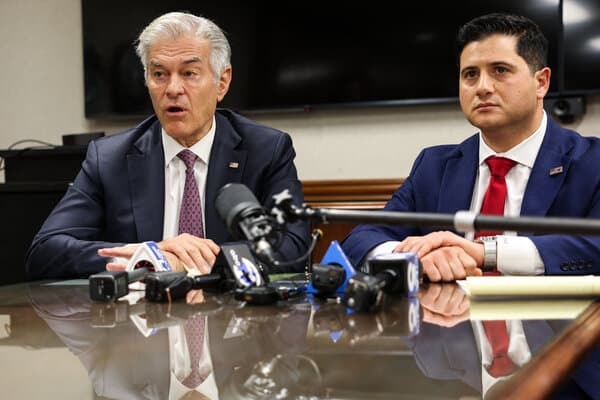
Dr. Mehmet Oz, the former television personality and newly appointed administrator of the Centers for Medicare and Medicaid Services (CMS), arrived in Southern California this week to spearhead a robust campaign against healthcare fraud. His visit, part of a broader Trump administration initiative, highlights the ongoing battle against waste in federal health programs and underscores the political friction between the Republican administration and Democratic leadership in California. California has long been a focal point for fraud investigations due to its massive healthcare market, which encompasses nearly 40 million residents and billions of dollars in annual Medicaid expenditures. The state’s Medicaid program, known as Medi-Cal, serves as a lifeline for low-income families, but it has also been plagued by allegations of improper billing, phantom providers, and kickback schemes. Dr. Oz’s arrival signals a renewed aggressive stance from federal authorities to reclaim funds and hold bad actors accountable. During his tour, Dr. Oz visited a series of clinics and enforcement centers, accompanied by federal agents and local officials. He emphasized the need for technology-driven oversight and stricter penalties for those who exploit the system. 'We are sending a clear message: the days of unchecked fraud are over,' Dr. Oz declared during a press briefing in Los Angeles. He noted that his agency has already identified patterns of overbilling and identity theft in Medi-Cal claims that mirror issues seen in other states, but with a uniquely high volume in California. The visit comes at a politically charged time. The Trump administration has repeatedly criticized California’s handling of federal funds, accusing state officials of mismanagement and turning a blind eye to fraud. California Governor Gavin Newsom, a vocal critic of the administration, responded to the visit by accusing the federal government of using fraud allegations as a pretext to cut healthcare access for vulnerable populations. 'This is not about saving money; it’s about scoring political points,' Newsom said in a statement. Experts say the true impact of Dr. Oz’s campaign will depend on how the administration balances enforcement with accessibility. While fraud recovery is essential, critics warn that overly aggressive audits could disrupt care for legitimate beneficiaries. 'There is a real risk of throwing the baby out with the bathwater,' said Dr. Sarah Lin, a healthcare policy researcher at UCLA. 'Medi-Cal is already underfunded; we need to ensure that enforcement doesn’t become a tool to undermine the program.' The Trump administration argues that rooting out fraud will ultimately strengthen the system by freeing up resources for those who truly need them. According to CMS data, nationwide fraud recoveries have reached record highs in the past year, driven by improved data analytics and whistleblower tips. Dr. Oz has pledged to bring those same tools to bear in California, partnering with tech companies to develop predictive algorithms that flag suspicious claims in real time. Despite the heated rhetoric, there are signs of potential cooperation. Some local district attorneys have welcomed federal assistance, citing resource constraints that limit their ability to pursue complex fraud cases. 'We need all the help we can get,' said one county prosecutor who requested anonymity due to the sensitivity of the issue. 'These cases often span multiple jurisdictions and require resources we simply don’t have.' As Dr. Oz continues his tour, the stakes remain high for all parties involved. For the administration, success in California could serve as a major political win and a model for future enforcement actions nationwide. For the state, the challenge lies in protecting its healthcare safety net while addressing legitimate concerns about fraud. And for the millions of Californians who rely on Medi-Cal, the outcome will directly impact their access to care. The showdown between Dr. Oz and California’s leaders reflects the broader ideological divide over healthcare policy in the United States. It remains to be seen whether this initiative will lead to meaningful reform or simply deepen the partisan rift.