Europe and Global Partners Grapple with Trump's Expansionist Rhetoric
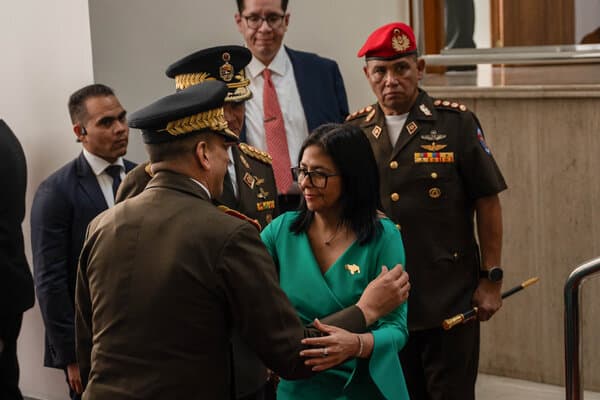
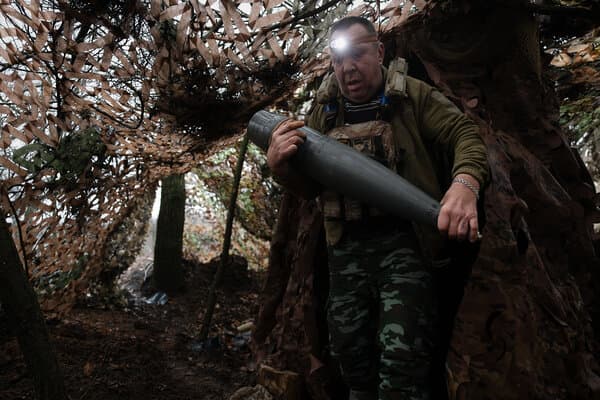
International leaders are expressing deep concern over recent statements made by former President Donald Trump, which suggest a renewed interest in American territorial expansion. This shift in rhetoric has triggered a wave of apprehension across European capitals and among key global allies, who are now reassessing the potential implications for international law and diplomatic norms. The administration's apparent interest in acquiring Greenland has resurfaced as a point of geopolitical tension. While initially viewed by some as a whimsical proposal, the persistence of this ambition has led analysts to question the underlying strategic motives. The Arctic region, rich in natural resources and strategically vital due to melting ice caps, has become a focal point of great power competition. European nations, particularly Denmark, which controls Greenland, are bracing for renewed pressure. The concept of purchasing sovereign territory from another nation violates fundamental principles of self-determination and international sovereignty that have defined the post-World War II order. Simultaneously, Trump’s fluctuating stance on the conflict in Ukraine has introduced significant volatility into the security architecture of Eastern Europe. His remarks suggesting a potential reduction or cessation of military aid to Kyiv have alarmed NATO members. European governments are now scrambling to formulate contingency plans to bolster Ukraine's defense capabilities independently of the United States. The fear is that a withdrawal of American support would not only embolden Russian aggression but also fundamentally weaken the collective defense pact that has kept the peace on the continent for decades. This uncertainty has forced EU leaders to accelerate discussions regarding a more autonomous and robust European defense union. Furthermore, the rhetoric surrounding Venezuela and the broader Latin American region adds another layer of complexity. Threats of intervention or punitive economic measures that bypass international consensus are viewed by many diplomats as counterproductive and destabilizing. The 'America First' doctrine, interpreted through the lens of expansionism, challenges the very foundations of multilateral cooperation. It suggests a return to a 19th-century style of gunboat diplomacy, where the strong are free to impose their will on the weak, regardless of established treaties and alliances. The reaction from the global community has been a mixture of bewilderment and alarm. Diplomatic channels between Washington and European capitals are reportedly experiencing significant strain. Allies who have historically stood shoulder-to-shoulder with the U.S. are now openly questioning the reliability of American commitments. The shift is forcing a recalibration of foreign policies worldwide. Nations are increasingly looking toward strengthening ties with other regional powers and diversifying their security dependencies to mitigate the risks associated with the unpredictability of U.S. foreign policy. Analysts suggest that this era of uncertainty is catalyzing a fundamental restructuring of global alliances. The transatlantic relationship, the bedrock of Western security for nearly a century, is being tested like never before. As European leaders convene emergency summits to address these challenges, the consensus is clear: they can no longer take the stability of the Western alliance for granted. The world is witnessing a pivotal moment where the rules-based international order is being openly challenged, forcing nations to adapt to a landscape where traditional power dynamics are in flux. The long-term consequences of this shift remain to be seen, but the immediate effect is a pervasive sense of anxiety and a frantic search for new diplomatic pathways to ensure regional stability and global peace.