Federal Immigration Agents Have Fired at Vehicles at Least 10 Times, Records Show
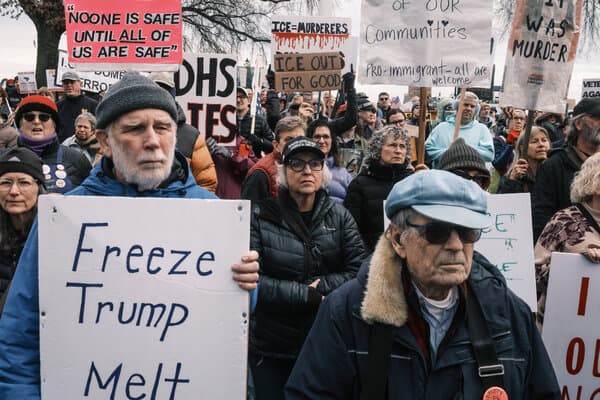
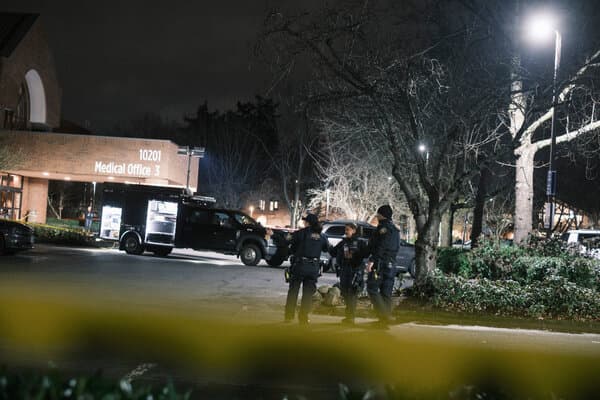
Federal immigration agents have discharged their firearms at vehicles during operations at least ten times in recent years, according to an analysis of government data and court records. This tactical practice, often employed during high-risk arrests of fugitive immigrants, has resulted in injuries to drivers and passengers and has sparked a debate regarding the use of force protocols within the Department of Homeland Security. The investigations highlight a pattern of aggressive interdiction tactics that blur the lines between administrative immigration enforcement and criminal police work. Agents from the U.S. Immigration and Customs Enforcement (ICE) and U.S. Customs and Border Protection (CBP) utilize these tactics primarily when targeting individuals suspected of serious crimes. In several documented incidents, agents fired into moving vehicles to prevent suspects from fleeing or to protect officers during chaotic street confrontations. Critics, including civil rights attorneys and community advocates, argue that shooting at moving vehicles is inherently dangerous and often violates established law enforcement guidelines, which generally advise against the practice due to the high risk of ricochets and unintended casualties. These revelations come amidst heightened scrutiny of ICE's enforcement tactics and the agency's relationship with local communities. Legal challenges have been mounted following incidents in cities like Chicago, Phoenix, and Los Angeles, where bystanders or the vehicle occupants sustained injuries. In one specific case detailed in incident reports, agents opened fire on a truck carrying a fugitive suspect and family members, citing the vehicle's movement toward an officer as justification. The Department of Justice has reviewed several of these shootings to determine if they constitute civil rights violations. ICE officials defend the shootings as necessary measures taken to protect agents and the public from dangerous fugitives who resist arrest. Agency policy allows the use of deadly force when an agent has a reasonable belief that the subject poses an imminent threat of death or serious physical injury. However, the frequency of these events has alarmed oversight committees. The Government Accountability Office (GAO) and the DHS Office of Inspector General have both launched inquiries to assess whether current training and oversight mechanisms are sufficient to prevent unnecessary bloodshed. The debate touches on broader questions about the militarization of immigration enforcement. As ICE expands its collaboration with local police departments through the 287(g) program, the lines of authority and acceptable use of force can become blurred. Training curriculums for ICE agents emphasize that shooting at a moving vehicle is rarely effective at stopping it and poses a grave risk to public safety. Yet, field reports suggest that in the heat of the moment, agents often revert to lethal force options. The issue is compounded by the lack of a centralized database that tracks non-fatal shootings by immigration agents, making it difficult for researchers to assess the full scope of the problem. Civil liberties groups are calling for a moratorium on vehicle pursuit shootings and for Congress to mandate stricter oversight of the agency's tactical units. As the political climate around immigration remains contentious, these incidents threaten to further erode trust between law enforcement and immigrant communities, potentially making witnesses less likely to come forward and cooperate with investigations. The conversation surrounding these shootings reflects a deepening crisis in how the United States manages border security and interior enforcement, balancing national security imperatives against the fundamental rights of individuals.