How an Abrupt Call Between Trump and Colombia’s President Averted a Crisis
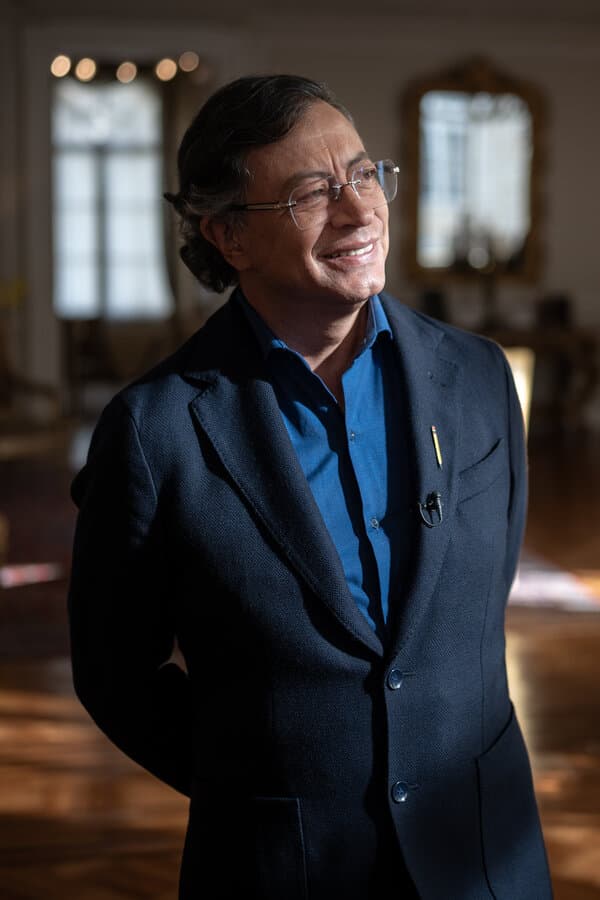
An unexpected and tense diplomatic crisis between the United States and Colombia was narrowly averted recently following a sudden and direct phone conversation between former President Donald Trump and Colombia’s current leader, Gustavo Petro. The confrontation, which unfolded rapidly over social media and diplomatic channels, threatened to unravel decades of close cooperation between the two nations, centering on disagreements over migration enforcement and border security. The dispute ignited when the Colombian government publicly refused entry to two U.S. military aircraft carrying deported migrants. President Petro cited the treatment of the deportees as his primary reason, describing the U.S. military flights as degrading and asserting Colombia's dignity. This move struck a nerve in Washington, particularly among officials tasked with border enforcement. The response from the U.S. was swift and severe. The State Department immediately announced a sweeping set of visa sanctions against Colombia, targeting government officials, opposition leaders, and even their family members. Furthermore, the Trump administration levied an immediate 25 percent tariff on all Colombian imports, with a threat to raise it to 50 percent within a week if Colombia did not comply. This aggressive economic leverage was a classic Trump maneuver, designed to force immediate capitulation. Colombia, a close U.S. ally historically, found itself in a precarious position. While President Petro attempted to frame the refusal of the military planes as a matter of national sovereignty—offering instead to use the Colombian presidential plane to bring migrants home—the damage was already done. The situation threatened to sever vital counternarcotics cooperation and trade ties. The White House statement was harsh, emphasizing that the Colombia president had already agreed to the unrestricted acceptance of all deportation flights, and that the refusal was a breach of that agreement. The rhetoric from both sides escalated quickly, with threats of visa revocations and trade wars dominating the headlines. As the hours ticked by, the atmosphere grew increasingly hostile. It was in this high-pressure environment that the phone call took place. Sources close to the negotiations describe the call as abrupt and unplanned. Trump, known for his personal style of diplomacy, reportedly bypassed traditional diplomatic channels to directly engage with President Petro. The conversation was described as frank and at times heated. Trump reportedly made it clear that the economic penalties would be devastating for Colombia’s economy and that the diplomatic freeze would be total unless the deportation flights resumed immediately and without conditions. He emphasized the political optics of the situation, noting that the U.S. would not tolerate public defiance on an issue as sensitive as migration. President Petro, likely realizing the catastrophic economic fallout of a trade war with the United States—Colombia’s largest trading partner—shifted his stance. The two leaders eventually reached a fragile but functional agreement. Colombia agreed to accept the deportation flights, including those on military aircraft, and the U.S. agreed to suspend the tariffs and visa restrictions. The resolution was a classic example of "realpolitik"—the practical diplomacy of political power, rather than ideology, saving the day. This incident highlights the fragile nature of U.S.-Latin American relations, particularly under the pressure of U.S. domestic migration politics. It also underscores the personalization of foreign policy. A single phone call between two heads of state, one current and one likely future, managed to de-escalate a situation that could have spiraled into a major economic and diplomatic conflict. The abruptness of the call underscores the chaotic style of crisis management that often characterizes modern high-stakes diplomacy. Following the call, the State Department confirmed that the sanctions had been lifted. The Colombian government issued a statement thanking the diplomatic teams for their work, while President Petro maintained his stance on human rights but acknowledged the necessity of cooperation. The incident serves as a reminder of the complex interplay between domestic politics, national pride, and the heavy hand of economic leverage in international relations. The crisis was averted, but the tensions regarding migration and the treatment of deportees remain an undercurrent in the bilateral relationship.