Inside Iran's Protests: How a Plunging Currency Set Off Wide Unrest
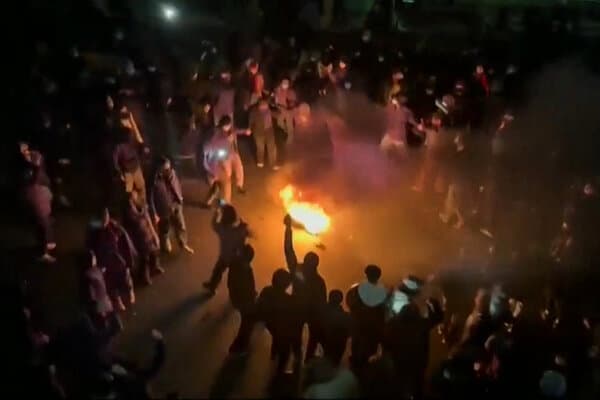
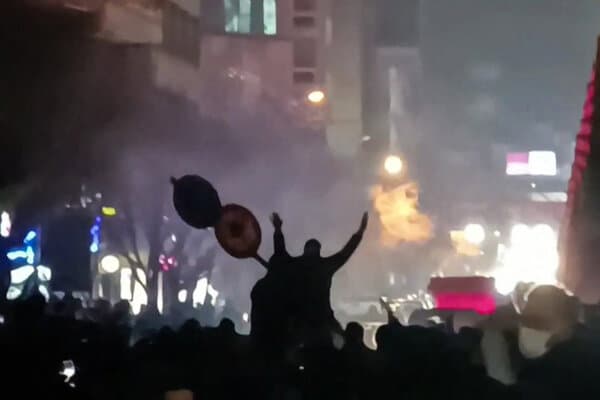
The recent wave of protests across Iran has deep roots in the nation's deteriorating economy, specifically the dramatic and unprecedented collapse of its currency. What began as demonstrations against soaring inflation and the plummeting value of the rial has rapidly escalated into widespread unrest, reflecting decades of economic mismanagement, crippling international sanctions, and a deep-seated loss of public confidence in the government's ability to manage the country's finances. In Tehran and other major cities, the bazaars have become epicenters of dissent. Merchants and shoppers alike have watched with growing alarm as the rial has lost more than half its value against the US dollar in recent months. The currency's freefall has made imported goods prohibitively expensive for ordinary Iranians, erasing savings and making daily life a struggle. For many, the economic crisis feels like a suffocating blanket, with joblessness rising and the cost of basic necessities spiraling out of control. The government has responded with a mixture of force and promises of reform. Security forces have been deployed to disperse crowds, leading to violent clashes and numerous arrests. Meanwhile, officials have tried to reassure the public by pledging to stabilize the currency and crack down on black-market currency traders. However, these promises have rung hollow for a population that has endured similar cycles of crisis and failed solutions time and again. At the heart of the currency's collapse are the reimposed US sanctions following Washington's withdrawal from the 2015 nuclear deal. These sanctions have crippled Iran's oil exports, its main source of foreign currency, and have deterred international banks and companies from doing business with Tehran. The result has been a severe shortage of dollars, driving desperate Iranians to flock to the black market, where the rial's value has disintegrated. Beyond the sanctions, however, lie domestic issues. Rampant corruption, a struggling state-controlled economy, and misguided government policies have all contributed to the crisis. The inability of President Hassan Rouhani's administration to deliver on promises of economic improvement after the nuclear deal has left many feeling betrayed. The protests represent a significant challenge for the Iranian regime. Unlike previous rounds of unrest that were often focused on specific political grievances, this current movement appears to be fueled by a shared sense of economic despair that cuts across different social classes. The chants are not just about political freedom, but about the basic right to a dignified life—a life that many feel is slipping away with every drop in the rial's value. As the government struggles to contain the fallout, the international community watches closely. The economic pressures are immense, and the social fabric is stretched thin. Whether the government can navigate this crisis without further violence or a complete breakdown of its relationship with its people remains a central and deeply uncertain question. The plunging currency was the spark, but the tinder of discontent has been piling up for years.