Iran's Supreme Leader Khamenei Accuses Protests of Serving Trump's Agenda
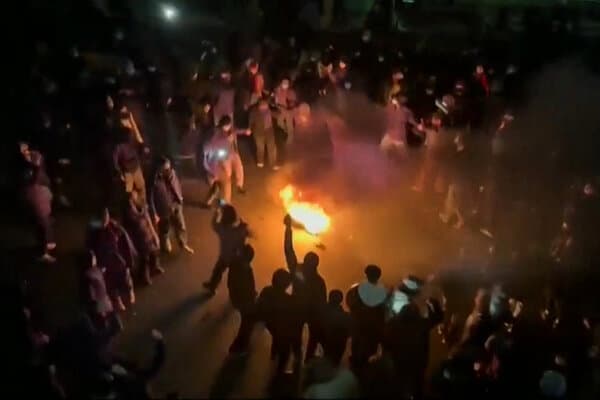
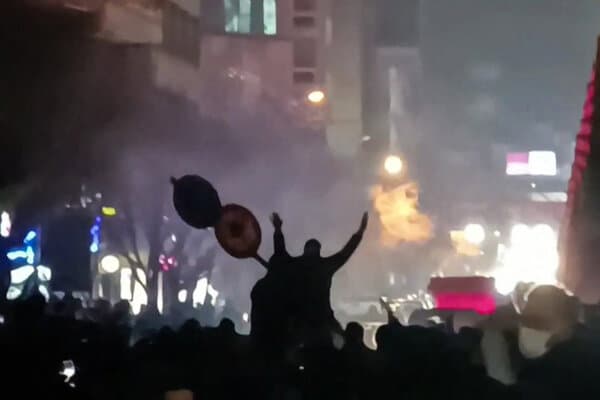
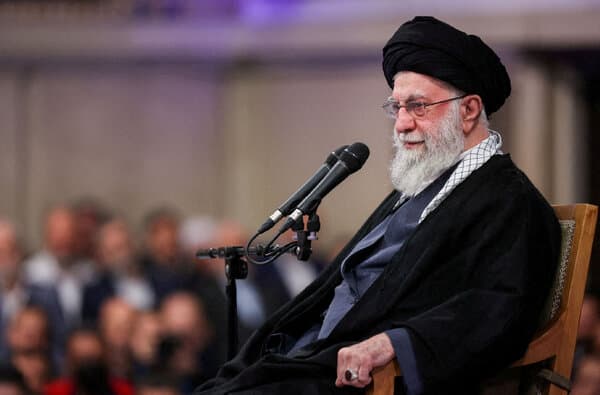
Iran's Supreme Leader, Ayatollah Ali Khamenei, has made a striking assertion regarding the ongoing civil unrest within the country. In his first direct commentary on the recent wave of demonstrations, Khamenei claimed that the protests were orchestrated not by domestic dissenters, but by foreign powers specifically to appease former United States President Donald Trump. This accusation represents a significant escalation in the rhetoric coming from Tehran's highest authority, framing internal economic and social grievances as a foreign conspiracy. The protests erupted following a sharp increase in fuel prices and have since evolved into the most significant challenge to the Islamic Republic's authority in several years. Security forces have responded with a severe crackdown, resulting in numerous casualties and mass arrests. However, the Supreme Leader's narrative seeks to shift the blame away from government policy failures and toward international adversaries. By linking the street protests directly to Washington, Khamenei aims to delegitimize the movement in the eyes of his conservative base and rally nationalist sentiment. Analysts suggest that this rhetoric serves a dual purpose. Domestically, it provides a convenient scapegoat for the administration's inability to address the economic crisis, which has been exacerbated by crippling U.S. sanctions. Internationally, it signals a hardening of Iran's stance against any potential diplomatic engagement with the U.S., should the political landscape shift. Khamenei explicitly stated that the U.S., Israel, and Saudi Arabia were orchestrating the events, but he singled out the desire to curry favor with Trump as the primary motive for these alleged foreign interventions. The context of these claims is deeply rooted in the 'Maximum Pressure' campaign initiated by the Trump administration, which saw the U.S. withdraw from the JCPOA nuclear deal and impose severe economic sanctions on Iran. Khamenei's remarks suggest that he views the current instability as a direct continuation of that policy, regardless of the sitting U.S. administration. He argued that regional actors and European powers are eager to please the U.S. president by destabilizing Iran, a claim that underscores the profound mistrust between the Iranian leadership and the West. Furthermore, the Supreme Leader dismissed the idea that economic hardship could justify the protests, calling the protesters 'thugs' and 'vandals' acting on behalf of foreign intelligence agencies. This characterization aligns with the regime's longstanding tactic of minimizing genuine popular dissent by labeling it as the work of 'enemies of the state.' Despite the heavy-handed security response, reports from the ground indicate that the anger stems from years of economic mismanagement, corruption, and the plummeting value of the Iranian rial. The decision to hike fuel prices acted as a catalyst, igniting long-simmering frustrations among the working class. Khamenei's speech was intended to project strength and unity, yet it also highlighted the regime's isolation. By blaming the protests on a desire to please Donald Trump, the Supreme Leader inadvertently acknowledged the immense impact of U.S. foreign policy on Iran's internal stability. It reflects a paranoid worldview where domestic agency is denied, and all opposition is attributed to external machinations. This stance complicates any future reconciliation, as it paints internal grievances as inherently illegitimate. International observers note that while foreign interference is a common theme in authoritarian rhetoric, the specific claim regarding Trump adds a personalized political element to the crisis. It suggests that the Iranian leadership is analyzing U.S. domestic politics and projecting its anxieties onto its own population. As the situation develops, the regime's ability to maintain control through force while simultaneously managing a collapsing economy remains the central question. The Supreme Leader's words serve to draw a hard line, making it clear that there will be no concessions to the protesters and that the regime views itself as locked in a existential struggle against American influence. In summary, Ayatollah Khamenei's accusation that protests are designed to please Trump is a strategic move to consolidate power and deflect blame. It frames the crisis as a battle against foreign aggression rather than a response to domestic failure. As sanctions continue to bite and social unrest simmers, this narrative will likely remain the cornerstone of the Iranian government's response, ensuring continued friction with the West and a tense, repressive environment within Iran.