Josh Shapiro Launches New Political Chapter, Criticizing Washington's Toxic Culture
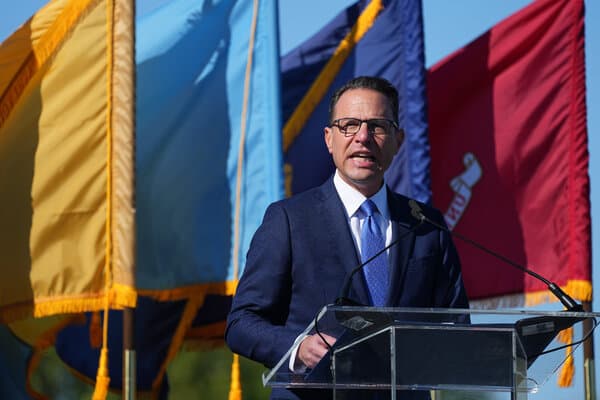
Pennsylvania Governor Josh Shapiro is taking a decisive step onto the national political stage, signaling a new chapter in his career by directly confronting what he describes as the 'toxicity in D.C.' In a series of recent appearances and a new op-ed, Shapiro has positioned himself as a pragmatic problem-solver capable of bridging the deep partisan divides that have paralyzed Washington. His message is clear: the current political climate, marked by obstructionism and personal attacks, is failing the American people and hindering progress on critical issues like infrastructure, the economy, and national security. Shapiro's critique is not merely a broadside against his political opponents; it is a carefully crafted appeal to voters weary of the endless cycle of political warfare. He contrasts the 'dysfunction in D.C.' with his own record of bipartisan achievement in Pennsylvania, where he has worked with a divided legislature to pass significant reforms in education, energy, and economic development. By highlighting these successes, Shapiro aims to build a national profile as a governor who can deliver results, not just rhetoric. His potential entry into the 2028 presidential race looms large over these moves, and his focus on 'bringing people together' is a classic strategy for a candidate looking to build a broad coalition. However, his critics argue that his critique of Washington is overly simplistic and that his own political ambitions are driving his rhetoric. They point to the inherent complexities of national politics and question whether his state-level successes can be replicated on the federal stage. Despite these criticisms, Shapiro's message appears to be resonating with a significant portion of the electorate, particularly independents and moderate voters in both parties who are desperate for a change from the current political environment. His strategy of focusing on 'toxicity' allows him to criticize the establishment without alienating potential allies, creating a unique space for himself in a crowded political field. As he continues to travel the country and articulate his vision, Shapiro is effectively laying the groundwork for a campaign that promises a return to civility and a focus on common-sense solutions. The coming months will be critical in determining whether he can translate this optimistic message into a viable and formidable presidential bid. His ability to maintain his governing record in Pennsylvania while simultaneously building a national profile will be a key test of his political skills and the ultimate measure of his chances for success on the national stage.