Local Leaders Demand Withdrawal of Federal Forces from Minneapolis After Deadly Shooting Incident
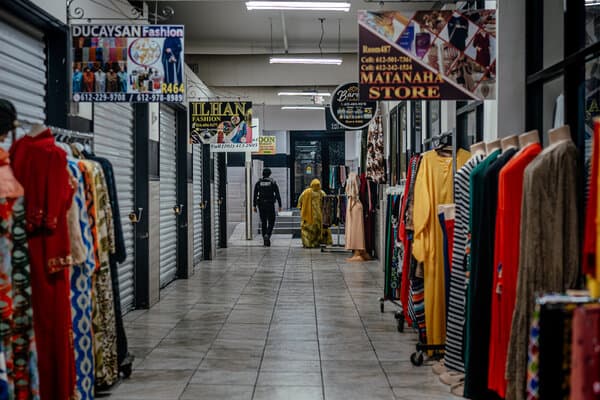
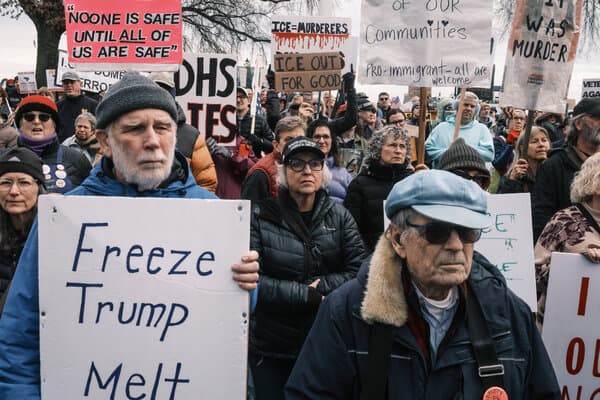
Minneapolis is facing a profound crisis as local officials have issued a forceful call for the immediate withdrawal of federal forces from the city. This demand comes in the wake of a fatal shooting that has heightened tensions and sparked a heated debate over the role of federal law enforcement in the community. The incident, which resulted in the death of an individual, has become a flashpoint in the ongoing national discourse regarding policing, federal intervention, and civil rights. City leaders, including Mayor Jacob Frey, have taken a firm stance against the continued presence of federal agents. They argue that the deployment of these agents has escalated tensions rather than ensured safety. The decision to call for their removal is rooted in the belief that local authorities are better equipped to handle the city's policing needs and that the federal presence undermines community trust. The shooting has only intensified these concerns, with residents and officials alike expressing fear that the aggressive tactics associated with federal agencies are incompatible with the city's values and its path toward police reform. The specific details of the shooting remain under investigation, but preliminary reports suggest a confrontation involving federal agents and a local resident. While the exact sequence of events is still being pieced together, the outcome—a fatality—has sent shockwaves through the community. Vigils and protests have been organized, with demonstrators demanding accountability and justice. Chants of "Hands up, don't shoot" and "Abolish ICE" (assuming the federal forces mentioned in the URL are immigration-related, which is a common context for such conflicts) echoed through the streets, blending local grievances with national movements. Mayor Frey, in a press conference held at City Hall, stated, "We cannot have a situation where federal agents operate with impunity on our streets. The tragic event that unfolded is a direct consequence of a policy that prioritizes enforcement over community engagement. We need our partners in the federal government to respect our local processes and our commitment to reform." He emphasized that the city has been working diligently to reimagine public safety, and the presence of federal forces complicates and jeopardizes those efforts. Community organizations have rallied behind the mayor's call. Leaders from various advocacy groups, including those focused on immigrant rights and racial justice, held a joint press conference outside the Federal Courthouse. They shared stories of families living in fear, worried that any interaction with law enforcement could lead to detention or, as evidenced by the recent shooting, worse. "Our communities are under siege," one organizer stated. "We are seeing a militarization of our streets that is completely unacceptable. We need these federal troops out now." The federal government's response has been defensive. A spokesperson for the Department of Homeland Security (DHS) defended the agents' actions, claiming they were conducting a routine operation and that the use of force was justified in response to a perceived threat. The statement asserted that federal officers have a legal mandate to enforce federal laws and will continue to do so despite local opposition. This clash between federal authority and local autonomy is not unique to Minneapolis but reflects a broader pattern of conflict seen in other major U.S. cities where federal forces have been deployed. Legal experts are weighing in on the jurisdictional battle. Some argue that the federal government has broad powers to enforce its laws, but others contend that operational decisions on the ground should be deferred to local leadership to maintain public order and trust. The city of Minneapolis is reportedly exploring legal avenues to restrict the movement and actions of federal agents within city limits, though the success of such measures remains uncertain given constitutional provisions on federal supremacy. As the investigation continues, the body of the deceased has been identified by family members, though authorities have not yet released an official name pending notification of all relatives. The autopsy report is expected to provide critical details about the shooting, including the number of shots fired and the trajectory of the bullets, which could corroborate or contradict witness accounts. Witnesses at the scene described a chaotic scene, with multiple shots heard and a rapid response from emergency services. The impact of this event extends beyond the immediate tragedy. It threatens to derail delicate negotiations between the city council and the police department regarding the future structure of policing in Minneapolis. Proposals for a "reimagined" public safety system, which might include replacing the current police force with a new agency focused on public health and violence prevention, have faced significant opposition. The shooting provides ammunition to both sides: reform advocates point to it as proof that current and federal policing models are broken, while law enforcement supporters argue that it underscores the need for a strong, undiluted police presence. The governor of Minnesota has called for calm and patience while the investigation proceeds. He has offered state resources to assist local law enforcement but has stopped short of endorsing the mayor's demand for federal withdrawal, instead calling for a "review of protocols" between state and federal partners. This cautious approach highlights the political tightrope officials are walking, balancing the need for justice with maintaining cooperative relationships essential for security operations. Meanwhile, the family of the victim is preparing for a long legal battle. Their attorney has announced plans to file a civil rights lawsuit against the federal agency involved, alleging wrongful death and excessive force. The family has asked for privacy during this difficult time but also expressed gratitude for the community support, which they say gives them strength to pursue justice. The incident in Minneapolis is a microcosm of the larger debate over federalism and law enforcement in the United States. It raises fundamental questions: Who controls the streets? How should justice be administered? And what is the right balance between security and liberty? As Minneapolis residents grapple with the loss of one of their own, the city stands at a crossroads, with the decisions made in the coming days and weeks likely to have lasting implications for the relationship between the federal government and local communities across the nation. The call for federal forces to leave is not just a policy preference; it is a demand for the restoration of local sovereignty and a plea for peace in a city that has known too much violence.