Mamdani Distributes Complimentary Theater Tickets, Argues Arts Should Not Be a Luxury
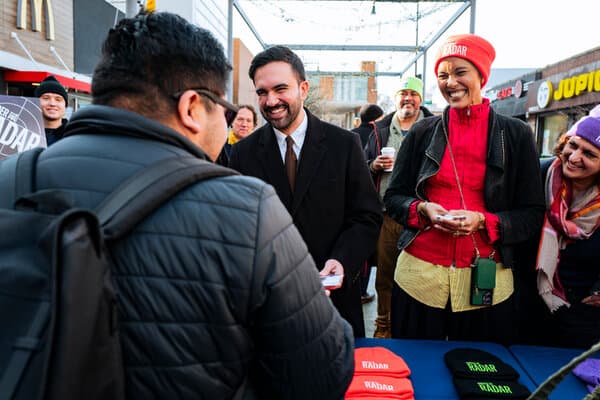
In a significant move to democratize access to the arts, prominent theater figure Mamdani has launched an initiative to distribute free theater tickets, asserting that cultural experiences should remain accessible to everyone rather than becoming a luxury reserved for the wealthy. This effort comes at a time when ticket prices for Broadway and major theatrical productions have reached unprecedented highs, effectively pricing out large segments of the population. Mamdani's campaign focuses on bridging the gap between the general public and high-quality theatrical performances, emphasizing that the transformative power of theater should not be limited by economic barriers. The initiative involves partnerships with various theaters and production companies to provide complimentary tickets to underserved communities, students, and low-income families. Mamdani has been personally involved in handing out these tickets, often appearing at community centers, libraries, and public events to engage directly with potential theatergoers. This grassroots approach ensures that the tickets reach those who might otherwise never step foot inside a theater. By doing so, Mamdani aims to cultivate a new generation of theater enthusiasts who could become future patrons, actors, or simply advocates for the arts. Mamdani has been vocal about the systemic issues within the theater industry that contribute to its exclusivity. He points out that the high cost of production, combined with the premium pricing strategies of ticket vendors, creates a cycle where theater becomes increasingly unaffordable. Furthermore, the perceived elitism associated with theater deters many from even considering it as a form of entertainment. Mamdani argues that this perception is harmful not only to the art form itself—which risks losing its relevance and diversity—but also to society at large, which misses out on the cultural enrichment and empathy-building that theater provides. Critics of the free ticket initiative raise concerns about sustainability and potential impacts on theater revenue. Some industry stakeholders worry that distributing tickets for free could devalue the art form or discourage paying patrons. However, Mamdani counters these arguments by highlighting data from pilot programs that show free ticket recipients often return to purchase tickets for future shows once they experience the value of live theater. Additionally, the initiative is not intended to replace paid tickets entirely but to supplement them and ensure that theaters remain filled and vibrant spaces for community interaction. The long-term vision for this project includes expanding the program to include educational workshops, behind-the-scenes tours, and mentorship opportunities for aspiring artists from underrepresented backgrounds. Mamdani envisions a theater ecosystem where financial constraints are no longer a barrier to entry, and where the stage reflects the true diversity of the community it serves. By making theater accessible to all, he hopes to inspire a cultural shift that prioritizes inclusivity and equity in the arts. As the initiative gains traction, it has sparked broader conversations within the artistic community about pricing models, audience development, and the social responsibilities of cultural institutions. Several theaters have already begun experimenting with pay-what-you-can performances and subsidized ticket programs in response to Mamdani's call to action. While the challenges of funding and operational costs remain significant, the movement represents a hopeful step towards a more equitable and inclusive theater landscape where the arts truly belong to everyone.