Minnesota Governor Tim Walz Announces He Will Not Seek Re-election in 2026, Fueling Speculation About Successors
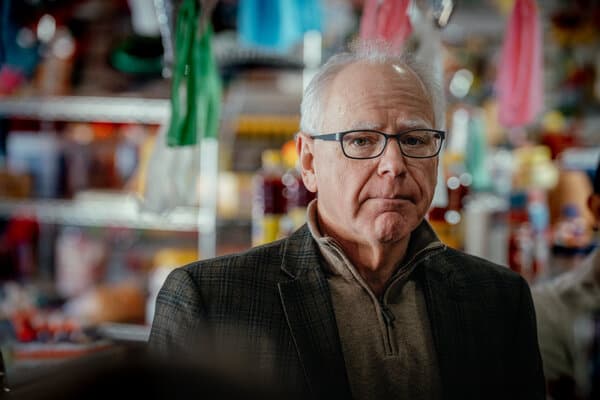
In a significant political development for Minnesota, Governor Tim Walz has announced he will not seek a third term in the upcoming 2026 gubernatorial election. The decision marks the end of a tenure that began in 2019 and positions the state for a potentially competitive race to fill the governor's mansion. Walz, a Democrat who has served as the state's 41st governor, cited a desire to spend more time with his family and explore other professional opportunities as primary reasons for his decision. His current term, which expires in January 2027, will be his last. The announcement has sent immediate ripples through Minnesota's political landscape, opening the field for a new generation of Democratic leadership and potentially reshaping the party's strategy for the next election cycle. Political analysts are already speculating on who might step up to run for the open seat. One of the most prominent names being discussed is U.S. Senator Amy Klobuchar. Known for her tenacity and centrist approach, Klobuchar has been a fixture in Minnesota politics for years. She has not made any official announcement regarding a gubernatorial run, but her advisors and political allies suggest she is seriously considering the opportunity. A run by Klobuchar would fundamentally alter the dynamics of the race, bringing significant national name recognition and a formidable fundraising network to the table. Another potential contender is Minnesota Attorney General Keith Ellison, who has cultivated a strong base among the party's progressive wing. Ellison's experience in both state and federal government, including his time as a member of the U.S. House of Representatives, makes him a formidable potential candidate. Other names circulating in political circles include Lieutenant Governor Peggy Flanagan, who would represent a continuation of the current administration's policies, and several prominent mayors from across the state. Walz's governorship was defined by a series of unprecedented challenges. He took office in 2019, and shortly thereafter, the COVID-19 pandemic swept the globe, forcing his administration to make difficult decisions regarding public health, economic shutdowns, and the distribution of vaccines. His handling of the pandemic drew both praise for its science-based approach and criticism from those who felt the restrictions were too severe or lasted too long. Following the murder of George Floyd in Minneapolis in 2020, Walz faced another major crisis as the Twin Cities and surrounding areas erupted in protests, civil unrest, and looting. His administration's response, including the deployment of the National Guard and coordination with local law enforcement, was heavily scrutinized. He was also at the center of the political firestorm surrounding the Democratic-Farmer-Labor (DFL) party's handling of the feeding programs for children during the pandemic, a situation that has led to a major ongoing fraud investigation. Walz leaves office with a mixed record but as a respected figure who steered the state through turbulent times. His decision not to run gives the DFL a chance to reset and present a fresh candidate to Minnesota voters. The upcoming election is expected to be a closely watched race, with Minnesota's status as a key battleground state in national politics adding to the stakes. The political maneuvering is likely to intensify in the coming weeks and months as potential candidates weigh their options and prepare for what could be a spirited and crowded Democratic primary. For now, Minnesota waits to see who will step forward to shape its next chapter.