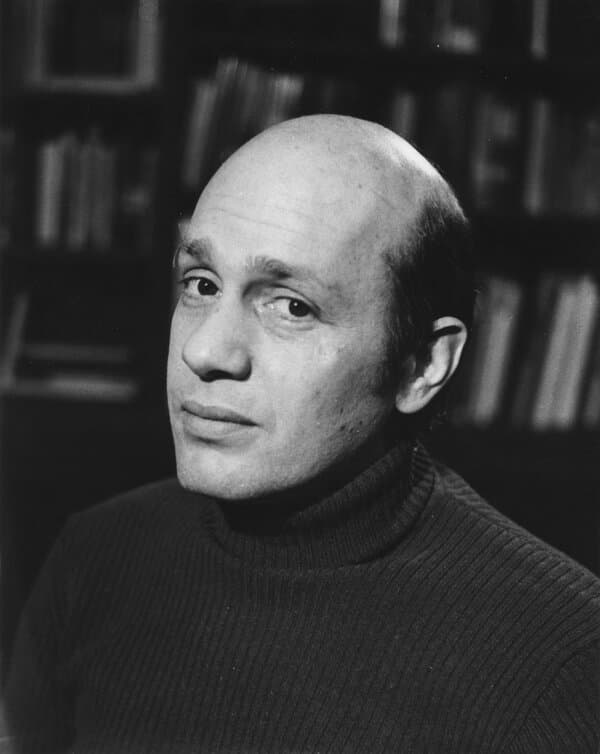
Richard Pollak, 91, Former Magazine Editor Who Criticized Media, Dies
Richard Pollak, a formidable editor and intellectual critic who dedicated much of his career to scrutinizing the media landscape, has died at the age of 91. His passing marks the end of an era for a specific brand of media watchdog journalism that sought to hold the press accountable for its power and influence. Pollak was best known for his long tenure as the editor of Columbia Journalism Review, a prestigious publication dedicated to analyzing and critiquing the performance of American newspapers, magazines, and broadcast networks. Under his leadership, the CJR became a vital voice in the media ecosystem, often serving as a mirror reflecting both the triumphs and failures of the fourth estate. Born in New York City, Pollak developed a deep appreciation for the written word and the responsibility that comes with publishing. He began his career as a reporter and editor before finding his true calling as a critic. He possessed a sharp wit and an even sharper pen, unafraid to take on media giants or challenge the prevailing narratives of the day. His editorship of the Columbia Journalism Review began in 1977 and continued through the early 1990s. This period was a tumultuous time for the news industry, encompassing the rise of television news dominance, the scandal of Watergate, and the beginning of the digital transformation that would eventually reshape journalism forever. Pollak navigated these changes with a steadfast commitment to the principles of accuracy, fairness, and independence. During his time at the helm, Pollak oversran the publication of numerous incisive articles that dissected journalistic errors, exposed conflicts of interest, and debated the ethical boundaries of reporting. He championed rigorous fact-checking and argued passionately that the media should not merely report on events but also maintain a standard of self-reflection and improvement. One of Pollak's defining characteristics was his willingness to criticize the very institutions that many of his colleagues worked for. He believed that the press was too prone to groupthink and too often fell into the trap of covering the 'horse race' of politics rather than the substantive issues affecting the public. He pushed for a journalism that was more skeptical of power, regardless of which party held it. Beyond his work at the Columbia Journalism Review, Pollak was a respected figure in literary circles. He contributed essays and reviews to various publications, including The New York Times, where he often explored the intersection of culture, politics, and media. His writing was characterized by its intellectual rigor and clarity. In the 1990s, Pollak took on a new challenge: he became the editor of The New Leader, a magazine focused on politics and culture with a history rooted in social democratic thought. He revitalized the magazine, bringing his same critical eye to a broader range of subjects. However, his tenure there was cut short by the magazine's eventual demise, a casualty of the difficult economic climate for print publications. Pollak was also an author. He wrote a biography titled 'The Man Who Would Be Queen,' a controversial but well-researched look at the life of Jules Hardouin-Mansart, the chief architect of the Palace of Versailles. The book showcased his ability to delve deeply into historical subjects and weave compelling narratives. Throughout his life, Pollak remained a vocal advocate for media literacy. He often lectured at journalism schools, urging the next generation of reporters to maintain their independence and to understand that their job was to uncover the truth, not to entertain or to serve as stenographers for the powerful. Colleagues remember him as a demanding editor who pushed writers to be their best. He was known for his meticulous attention to detail in editing, often rewriting leads to make them more punchy and accurate. Yet, he was also a mentor to many young journalists who shared his passion for the craft. The media landscape Pollak critiqued has changed dramatically since his active years. The internet has disrupted business models, social media has accelerated the spread of information (and misinformation), and the very definition of 'journalism' has expanded and fractured. Yet, the questions Pollak raised—about bias, accuracy, and the public trust—remain as relevant today as they were thirty years ago. In his later years, Pollak continued to write occasional essays and remained a keen observer of the changing media scene. He viewed the internet with a mixture of skepticism and curiosity, recognizing its potential for democratizing information while worrying about the erosion of professional standards. Tributes have poured in from across the industry. Former contributors to the CJR recalled his sharp editorial instincts, while friends remembered his dry humor and deep knowledge of history. He is survived by family members who shared his love for literature and the arts. Richard Pollak’s legacy is that of a guardian of journalistic integrity. In an industry often plagued by commercial pressures and political biases, he served as a necessary conscience. His insistence that the media must look inward to improve its outward service is a lesson that continues to echo in newsrooms across the country. As the industry grapples with 'fake news' and accusations of bias, the standards Pollak upheld seem more necessary than ever. Pollak’s death serves as a reminder of the importance of rigorous media criticism. He understood that a free press is essential to a functioning democracy, but he also knew that a free press is not necessarily a virtuous one. It requires constant vigilance, both from within the profession and from informed observers outside of it. He will be remembered not just as an editor, but as a thinker who challenged his readers and his subjects to do better. His contribution to the field of journalism criticism was immense, providing a high bar for those who follow in his footsteps. Richard Pollak lived a long and impactful life. His voice, though now silenced, leaves behind a record of thoughtful, critical engagement with the world of news and information. The structures he helped build and the standards he championed continue to influence media criticism today.