Sanctioned Oil Tankers Evade U.S. Blockade to Depart Venezuela
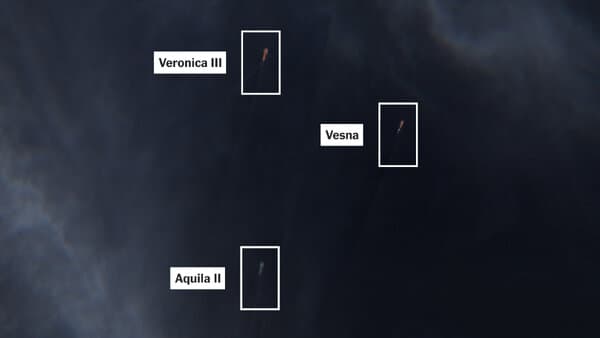
A significant number of oil tankers, currently facing international sanctions, have managed to leave Venezuelan ports in a bold maneuver that directly challenges the United States' maritime blockade. These vessels, blacklisted for their involvement in transporting Venezuelan crude oil, executed a series of complex navigation tactics to evade detection by U.S. naval forces and surveillance aircraft monitoring the Caribbean Sea. The departure of these ships represents a critical victory for the Maduro administration, which has been under immense economic pressure due to Western sanctions aimed at curbing the nation's oil exports. By successfully exporting oil despite the blockade, Venezuela is able to generate much-needed revenue to stabilize its crumbling economy and fund government operations. The operation highlights the persistent difficulties the U.S. faces in enforcing its sanctions regime against a determined adversary with support from international partners like Iran and Russia, who provide logistical and technical assistance to bypass restrictions. Satellite imagery and maritime tracking data confirm the unusual movements of these ghost ships, which often turn off their transponders to avoid identification. This ongoing cat-and-mouse game in the energy sector underscores the geopolitical complexities of the region and the limitations of unilateral economic coercion. The U.S. Treasury Department has yet to issue a formal response to this latest development, but analysts predict an escalation in enforcement measures, potentially including the interdiction of these vessels in international waters. Meanwhile, energy markets are watching closely, as the return of Venezuelan barrels, even in limited quantities, could have a marginal impact on global oil prices. The defiance shown by these tankers is not merely an act of economic survival but a calculated political statement by Caracas and its allies, signaling that the U.S. blockade is porous and ultimately ineffective at isolating the Latin American nation from the global economy. As the tanker fleet makes its way to unknown destinations, likely in Asia or the Middle East, the Biden administration must reassess its strategy toward Venezuela, balancing the desire for regime change with the reality that sanctions have yet to achieve their intended political goals. This event serves as a stark reminder that in the high-stakes world of global energy politics, resourceful actors can often find ways around even the most stringent restrictions, turning the Caribbean into a new front for geopolitical maneuvering.