Senate Reaches Agreement to Display Commemorative Plaque for January 6th Officers
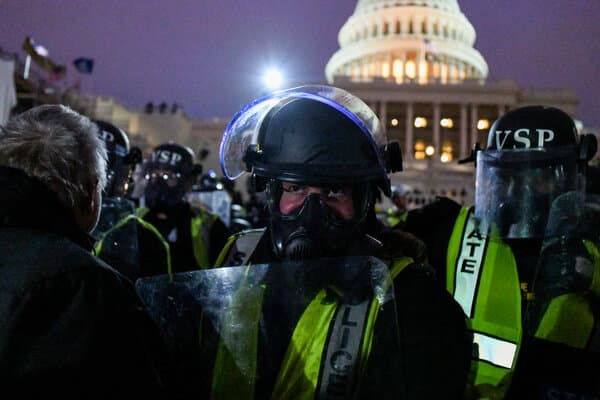
The United States Senate has officially agreed to display a commemorative plaque honoring the officers who defended the Capitol during the January 6, 2021, insurrection. This decision marks a significant step in recognizing the sacrifices made by law enforcement personnel during one of the most tumultuous days in modern American political history. The agreement, reached by Senate leaders from both parties, ensures that a permanent memorial will be installed within the Capitol building to pay tribute to the officers injured or killed in the line of duty. The plaque will serve as a somber reminder of the violence that unfolded when a mob of supporters of then-President Donald Trump stormed the Capitol in an attempt to disrupt the certification of the 2020 election results. Details of the agreement were finalized after months of negotiations. The text of the plaque is expected to read: "In memory of those who fought and died to protect this institution and the democratic process on January 6, 2021." The location for the plaque has been designated in a prominent hallway near the Rotunda, ensuring that visitors and staff will encounter the tribute. The road to this agreement was not without contention. Earlier proposals to form a bipartisan commission to investigate the attack faced significant hurdles and were eventually blocked, leading to the formation of a House select committee instead. The plaque represents one of the few concrete actions taken by the Senate as a body to memorialize the events of that day, highlighting the deep political divisions that persist regarding the interpretation and aftermath of the insurrection. Senators expressed mixed reactions to the plaque. Supporters emphasized the moral imperative to honor the bravery of the Capitol Police officers, several of whom died subsequently from injuries sustained or trauma experienced during the riot. Officer Brian Sicknick, who suffered strokes after confronting rioters, and Officer Howard "Howie" Liebengood, who died by suicide shortly after, are among those frequently cited for their sacrifice. Additionally, officers like Michael Fanone and Harry Dunn, who suffered physical injuries and lasting psychological trauma, have become vocal advocates for accountability. Conversely, some lawmakers voiced concerns that the plaque might serve as a divisive political tool rather than a unifying memorial. Despite these reservations, the overwhelming sentiment was that the officers deserve recognition for their actions in protecting the lawmakers inside the building, including those who ultimately voted against the resolution. The installation of the plaque comes amidst ongoing legal proceedings against hundreds of participants in the riot. The Department of Justice continues to prosecute individuals involved in breaching the building, assaulting officers, and seditious conspiracy. Capitol Police officials have noted that the emotional and physical toll on the force remains high, exacerbated by the lack of a formal commission to provide a comprehensive account of the security failures that allowed the breach to occur. In related news, the House select committee tasked with investigating the origins of the attack has ramped up its efforts, issuing subpoenas to key figures in the former administration and organizing a series of public hearings intended to present their findings to the American public. While the Senate focuses on this physical memorial, the House continues to seek answers regarding the prevention of future threats to democracy. The plaque initiative was spearheaded by a coalition of Senators including Chris Coons (D-Del.) and Amy Klobuchar (D-Minn.), who argued that history must remember the courage of the officers who stood between the mob and the halls of Congress. "We have a duty to ensure that the heroism displayed that day is never forgotten," Klobuchar stated in a press release. "This plaque is a small but necessary gesture of our gratitude." Planning for the physical design of the plaque is now underway. The Architect of the Capitol is responsible for the final design, which is expected to be austere and dignified. Funding for the plaque has been allocated from existing Capitol maintenance budgets. As the nation moves forward, the January 6th plaque will stand as a silent witness to the fragility of democratic institutions and the cost of upholding them. It will join the ranks of other historical markers within the Capitol that commemorate moments of crisis and resolution, serving as a point of reflection for future generations of lawmakers and citizens.