South Florida’s Political Ascendancy Fueled by Venezuelan Turmoil
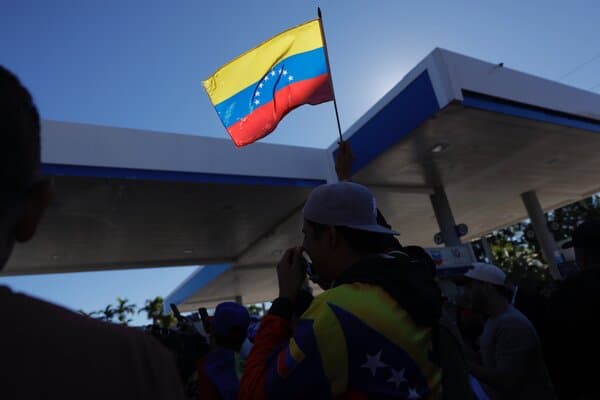
South Florida has emerged as a critical epicenter of American political influence, driven largely by the complex interplay of international sanctions, migration crises, and electoral dynamics. The region, long a haven for exiles, is now witnessing a historic shift in power as the Venezuelan community grows in size and political sophistication. The recent capture and detention of Venezuelan President Nicolás Maduro—following a highly controversial election and mounting international pressure—has galvanized this demographic. In Miami’s Little Havana and Doral, often called "Doral-zuela," the mood is electric. Venezuelan Americans, who number nearly 600,000 in the state, are mobilizing not just for their homeland but for their local representation. This surge in activism coincides with a strategic pivot by national and local politicians who recognize the electoral weight of the Venezuelan-American bloc. Governor Ron DeSantis and Senator Marco Rubio have been at the forefront, advocating for aggressive sanctions against the Maduro regime while simultaneously courting the community with policy promises tailored to their unique concerns. The fallout from Maduro’s capture—whether viewed as a coup, a judicial act, or a geopolitical gamble—has placed Florida squarely in the geopolitical spotlight. Diplomatic channels, intelligence operations, and humanitarian aid efforts are converging in the state, turning Miami into a shadow capital for Venezuelan opposition. The influence extends beyond foreign policy. Local elections are increasingly decided by the Venezuelan vote, with candidates adopting hardline stances on socialism and authoritarianism to resonate with these voters. Business ties, previously focused on trade with Latin America, are being reconfigured around sanctions compliance and exile entrepreneurship. The region’s real estate market, banking sector, and tech startups are all feeling the ripple effects of this demographic and political transformation. Moreover, the intelligence community maintains a significant presence in the region, monitoring the flow of money, weapons, and misinformation that characterizes the Venezuela-US corridor. As the Biden administration grapples with how to handle the post-Maduro landscape, South Florida stands as the indispensable partner—a place where the legacy of the Cold War meets the challenges of the 21st century. This confluence of factors has created a perfect storm of political relevance, elevating South Florida from a regional player to a global fulcrum of diplomatic and electoral power. The stakes are high, not just for the two nations involved, but for the broader hemispheric struggle between democracy and authoritarianism. As one local political operative noted, "What happens in Caracas doesn't stay in Caracas; it lands in Miami."