The War Over the Weedkiller Roundup Might Be Headed to the Supreme Court
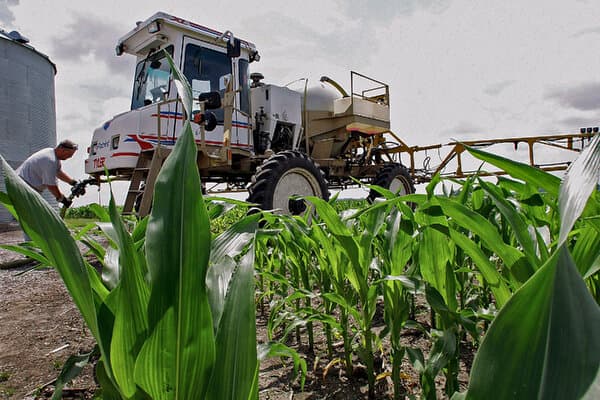
The long-running and contentious legal battle over the safety of the widely used weedkiller Roundup appears poised to escalate to the nation's highest court. This development comes after a federal appeals court recently upheld a significant verdict against Bayer, the chemical giant that acquired Roundup's manufacturer, Monsanto. The case centers on allegations that the herbicide's active ingredient, glyphosate, causes a form of blood cancer known as non-Hodgkin lymphoma. For years, thousands of plaintiffs have filed lawsuits claiming that Monsanto failed to adequately warn users about the potential risks associated with exposure to the product. The recent decision by the U.S. Court of Appeals for the Ninth Circuit to affirm a $25 million award to a California man who blamed his cancer on Roundup has set the stage for a potential Supreme Court review. Bayer has indicated it will seek Supreme Court intervention, hoping to overturn the lower courts' decisions and establish a legal precedent that could shield it from further liability. The central legal question involves whether federal regulations governing pesticide labeling preempt state-level failure-to-warn claims. Bayer argues that because the Environmental Protection Agency (EPA) has approved Roundup's labels, plaintiffs should not be able to argue that the company violated state law by not warning of cancer risks. However, plaintiffs' attorneys counter that federal approval does not grant immunity from state tort laws designed to protect consumers. This legal showdown has massive implications not only for Bayer, which faces over 125,000 lawsuits, but also for the future of product liability law in the United States. The outcome could influence how corporations across various industries view their responsibility to disclose potential risks associated with their products. Meanwhile, the scientific community remains divided on the carcinogenic potential of glyphosate. While the International Agency for Research on Cancer, part of the World Health Organization, classified glyphosate as "probably carcinogenic to humans" in 2015, the EPA has maintained that it is not likely to be carcinogenic to humans. This divergence in scientific opinion has fueled the controversy and added complexity to the legal proceedings. As the case potentially moves toward the Supreme Court, stakeholders from consumer safety advocates to agricultural industry groups are watching closely. A Supreme Court ruling could either solidify the legal framework for challenging corporate negligence or limit the avenues for consumers to seek justice for harm caused by commercial products. The decision to hear the case would likely come later this year, marking a pivotal moment in the ongoing debate over public health, corporate accountability, and regulatory oversight.