Trump Administration Officials Brief Congressional Leaders on Covert Venezuela Operation
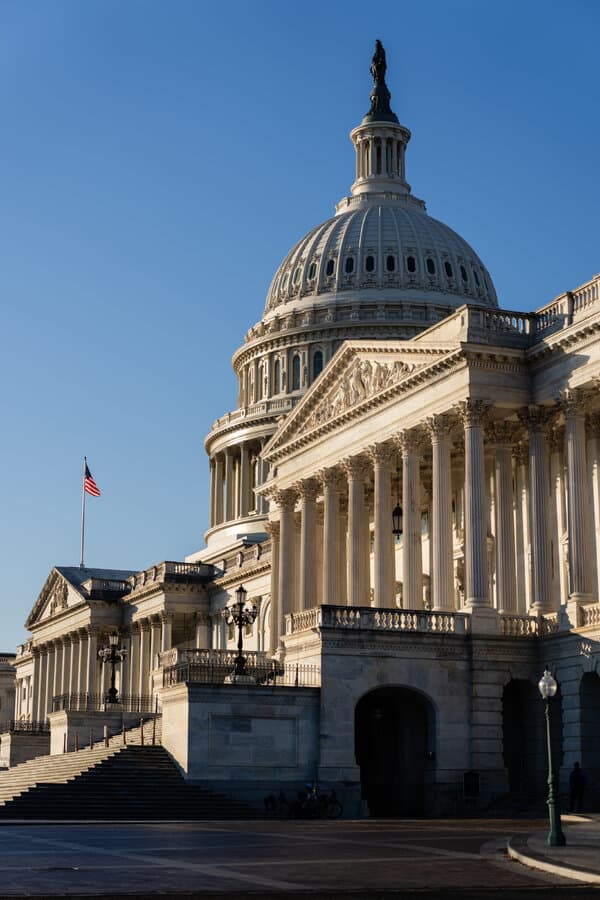
Senior officials from the Trump administration recently conducted a highly classified briefing for the top Democratic and Republican lawmakers on the House and Senate intelligence committees regarding a sensitive raid targeting Venezuelan President Nicolás Maduro. This covert action represents a significant escalation in the United States' pressure campaign against the embattled socialist leader, who has faced mounting international isolation and internal unrest over the past several years. According to multiple sources familiar with the matter, the briefing focused on the logistical details and intelligence gathering that led up to the operation. The administration officials, including members of the National Security Council and intelligence agencies, provided a comprehensive overview of the mission's objectives and outcomes. The operation is believed to have been designed to disrupt Maduro's inner circle and gather critical intelligence on his regime's activities, including potential corruption and ties to illicit networks. The briefing was held behind closed doors in a secure facility on Capitol Hill, underscoring the sensitive nature of the information being shared. The Gang of Eight—comprising the top four Democratic and Republican leaders in both the House and Senate, along with the chairs and ranking members of the House and Senate Intelligence Committees—were the primary recipients of this intelligence. This group is typically briefed on the most sensitive covert actions undertaken by the U.S. intelligence community. Sources indicate that the operation did not involve U.S. military personnel on the ground in Venezuela but rather relied on intelligence assets and potentially local partners. The timing of the raid coincides with a period of heightened tension between Washington and Caracas, exacerbated by Maduro's refusal to step down following a disputed election and the economic crisis that has prompted millions of Venezuelans to flee the country. The briefing also touched on the broader geopolitical implications of the operation. Venezuela's strategic importance, due to its vast oil reserves and its alliances with adversaries like Russia, China, and Iran, makes any U.S. action in the region particularly consequential. The administration emphasized that the operation was part of a comprehensive strategy to support the Venezuelan opposition and pressure Maduro to cede power peacefully. Reactions from lawmakers following the briefing were mixed. Some expressed strong support for the administration's assertive approach, arguing that it is necessary to counter Maduro's authoritarian rule and the humanitarian disaster it has spawned. Others, however, raised concerns about the potential for the operation to escalate into a broader conflict or to undermine diplomatic efforts. There were also questions about the legal basis for the raid and the intelligence that justified it. The briefing comes amidst ongoing efforts by the U.S. to rally international support for opposition leader Juan Guaidó, whom the U.S. and dozens of other countries recognize as the legitimate interim president of Venezuela. Despite this backing, Guaidó has been unable to dislodge Maduro from power, leading the administration to explore more aggressive tactics. Analysts suggest that the disclosure of such an operation to congressional leaders is as much a political necessity as it is a legal requirement. By informing the Gang of Eight, the administration seeks to build bipartisan support for its Venezuela policy and mitigate potential backlash from Congress. It also serves as a signal to Maduro that the U.S. is prepared to take direct action against his regime. The Venezuelan government has not officially commented on the raid, though state media has frequently denounced U.S. 'imperialist aggression.' Maduro has previously accused the U.S. of plotting coups and assassination attempts, claims that Washington has dismissed as baseless propaganda. The operation's details remain largely shrouded in secrecy, with the administration likely to provide further information only to a limited number of lawmakers. This secrecy is intended to protect intelligence sources and methods, as well as to safeguard any future operations. As the situation develops, the international community will be closely watching for any fallout from the raid and its impact on the already volatile political landscape in Venezuela. The U.S. administration appears committed to maintaining its pressure campaign, even as it navigates the complex web of international law and domestic politics. In summary, the briefing underscores the gravity of the U.S. government's involvement in Venezuela and its determination to see a change in leadership. While the immediate effects of the raid remain uncertain, it marks a notable shift in tactics that could have long-lasting implications for regional stability and U.S. foreign policy.