Trump Administration Reactivates Thousands of Refugee Cases in Minnesota
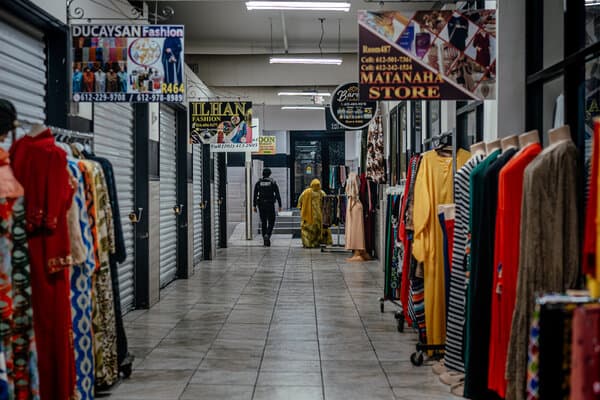
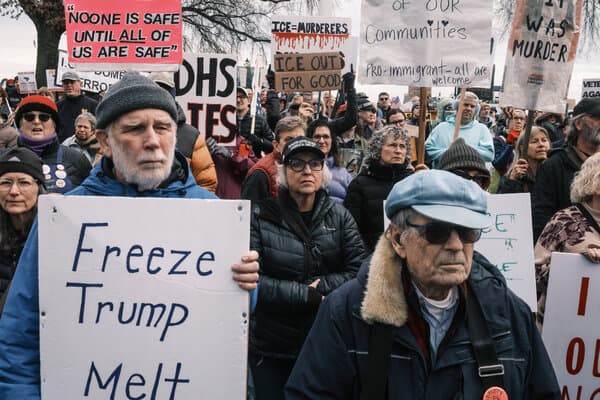
In a significant policy reversal affecting thousands of lives, the Trump administration has announced the reopening of more than 1,300 refugee cases in Minnesota that were previously scheduled for termination. This decision marks a dramatic shift in the government's approach to refugee resettlement and reflects ongoing legal challenges to the administration's attempt to dramatically reduce the number of refugees admitted to the United States. The move comes after intense pressure from refugee advocacy groups, legal organizations, and members of Congress who argued that the administration's previous actions were unlawful and cruel. The cases in question involve refugees who had been living in Minnesota, many of whom had been granted resettlement status through legitimate legal channels but faced having their cases terminated under the administration's restrictive new policies. Minnesota has long been a significant destination for refugees, with the state welcoming individuals from countries including Somalia, Burma, Iraq, and Ukraine. The Twin Cities area, particularly Minneapolis, has one of the largest Somali refugee communities in the United States, making this development particularly impactful for the local community. The administration's initial decision to terminate these cases was part of a broader effort to limit refugee admissions to historically low levels. Critics argued that the policy not only violated international humanitarian obligations but also betrayed allies who had assisted American forces in conflict zones abroad. Legal experts suggest that this reversal may be the result of mounting pressure from multiple lawsuits challenging the administration's refugee policies. Federal courts have repeatedly ruled against various aspects of the administration's attempts to restrict refugee admissions, finding that the executive branch overstepped its authority. Refugee resettlement agencies in Minnesota have expressed cautious optimism about the development. Organizations such as the International Institute of Minnesota and Catholic Charities Refugee Services have been working overtime to support individuals affected by the policy uncertainty. These agencies provide crucial services including housing assistance, job training, English language education, and cultural orientation for new arrivals. The economic impact of this decision extends beyond humanitarian considerations. Refugees have proven to be vital contributors to Minnesota's economy, starting businesses at higher rates than native-born citizens and filling important roles in the state's manufacturing, healthcare, and service sectors. The reopening of these cases represents not just a reprieve for individual families but also a boost to the state's economic vitality. Community leaders in Minnesota's refugee populations have welcomed the news with relief and hope. For many families, the threat of case termination had created months of anxiety and uncertainty about their future in the United States. Some had already begun making contingency plans to return to dangerous situations in their home countries rather than face potential deportation. The decision also has implications for the broader national debate over immigration and refugee policy. It suggests that even within the Trump administration, there may be recognition of the legal and political risks associated with aggressively restricting refugee admissions. Some observers note that the reversal could indicate a more pragmatic approach to refugee policy ahead of upcoming elections. Refugee advocates continue to press for more comprehensive reforms, including an increase in annual refugee admission caps, which the administration has set at record-low levels. They argue that the United States, as a wealthy nation with a history of welcoming those fleeing persecution, should be leading global efforts to address the refugee crisis rather than turning its back on vulnerable populations. The reopening of these Minnesota cases represents a significant victory for refugee rights, though advocates caution that much work remains to be done. They point to the thousands of other refugees across the country who remain in similar precarious situations and the need for lasting legislative protections that cannot be easily reversed by changing administrations. As the affected individuals in Minnesota receive news that their cases are being reopened, many express profound gratitude mixed with determination to build new lives in their adopted home. For them, the American promise of safety and opportunity remains alive, if somewhat tempered by the uncertainty they have endured. The development serves as a reminder of the profound impact that policy decisions have on real human lives and the importance of continued vigilance in protecting the rights of the most vulnerable among us. While this reversal represents progress, the struggle for comprehensive and humane refugee policy continues.