Trump Administration to Halt $10 Billion Child Care Funding for 5 Democratic States
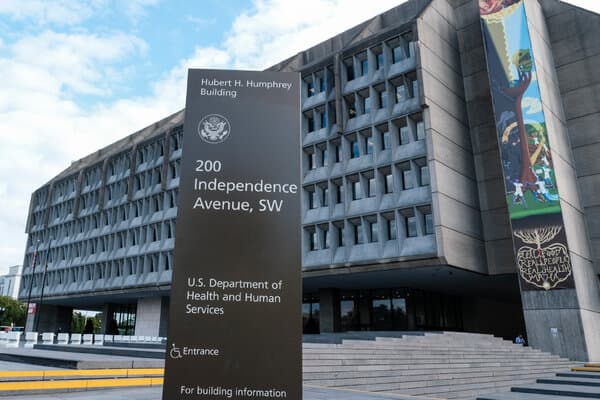
The Trump administration is preparing to freeze approximately $10 billion in federal funding designated for child care and early education programs across five states controlled by the Democratic Party. This decision, reportedly imminent, targets states including California, New York, and Illinois, and represents a significant escalation in the political battle over federal education grants. The funding freeze centers on the Child Care and Development Block Grant (CCDBG), a vital program that provides subsidies to low-income families to help them afford child care while they work or attend school. According to sources familiar with the administration's plans, the Department of Health and Human Services (HHS) intends to withhold these funds pending a review of how the states are implementing certain federal requirements. Administration officials have cited concerns regarding the allocation of funds to undocumented immigrants and compliance with federal work requirements. Critics, however, view the move as a politically motivated effort to punish states that have resisted the administration's stricter immigration policies and conservative educational priorities. The potential freeze has sent shockwaves through the child care sector, where providers are already struggling with rising costs and staffing shortages. For millions of parents, particularly those in low-income brackets, the CCDBG program is a lifeline. Losing this funding would force many child care centers to close their doors or drastically reduce the number of children they can serve, leaving parents without affordable options. In states like California and New York, where the cost of living is high, the impact could be particularly severe. Legal experts are already weighing in, suggesting that the administration may be overstepping its authority by unilaterally freezing funds that Congress has already appropriated. A similar attempt to withhold funds from sanctuary cities was struck down by the courts in the past. State attorneys general are likely to challenge the freeze in court, setting up a prolonged legal battle. The move comes amid ongoing budget negotiations in Washington, where Democrats and Republicans are at odds over spending priorities. Child care advocates argue that the freeze ignores the immediate needs of working families and the long-term economic benefits of early childhood education. Studies consistently show that access to quality child care leads to better educational outcomes for children and higher workforce participation for parents. By withholding these funds, the administration risks undermining economic stability for the very families it claims to support. The five states affected are reportedly reviewing their legal options. Governor Gavin Newsom of California and Governor Andrew Cuomo of New York have both issued statements condemning the move, calling it an attack on their states' residents and a violation of federal law. They argue that the administration is using the funding as a bargaining chip in a partisan fight. Meanwhile, the White House maintains that the states are not in compliance with federal guidelines and that the freeze is necessary to ensure taxpayer dollars are spent appropriately. HHS officials have pointed to specific regulatory changes implemented in recent years that states must adhere to in order to receive funding. The administration argues that the states have failed to meet these new standards, specifically regarding verification of citizenship and employment status for program recipients. The timing of the freeze is also notable, coming just ahead of a presidential election year. Political analysts suggest that the move is designed to rally the administration's base by taking a hard line on immigration and federal spending, even if it comes at the cost of essential social services. However, the backlash from moderate voters, particularly suburban mothers who rely on child care, could prove damaging. As the situation develops, the future of billions of dollars in child care funding hangs in the balance. The outcome of the legal challenges will likely determine whether the freeze is temporary or becomes a more permanent reduction in federal support for early childhood education in these states. For now, families and providers are left in a state of uncertainty, waiting to see if the safety net they rely on will be pulled out from under them.