Trump Plans Major White House West Wing Overhaul: 'Upper West Wing' Initiative
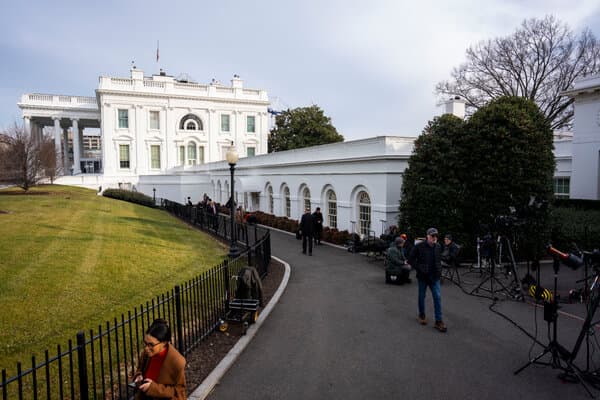
Former President Donald Trump is reportedly planning a significant renovation of the White House West Wing if he returns to office. According to sources familiar with preliminary discussions, the ambitious project aims to modernize the historic workspace and expand its capacity. The proposed renovations include adding a new conference space and offices, potentially referred to internally as the 'Upper West Wing' to describe the expansion. The West Wing, which has served as the nerve center of the executive branch for over a century, has undergone various updates over the years, but nothing of this scale is currently envisioned. Trump's vision reportedly seeks to address long-standing space constraints and update the facility's technological infrastructure. The plan involves structural changes to the building's layout, potentially adding a new story or expanding existing spaces to accommodate more staff and modern amenities. Architects and engineers close to the matter suggest that the renovation would need to balance historical preservation with functional necessity. The West Wing houses the Oval Office, the Cabinet Room, the Press Briefing Room, and senior staff offices. Any construction would have to be carefully choreographed to avoid disrupting the daily operations of the presidency. Sources indicate that the former president has discussed these plans with aides and potential campaign staff, expressing a desire for a workspace that reflects his aesthetic preferences and functional requirements. This includes a desire for more gold accents, larger television screens for media monitoring, and an overall brighter, more open feel compared to the current somewhat dark and labyrinthine corridors. Critics of the plan raise concerns about the exorbitant costs, which could run into the hundreds of millions of dollars, and the potential disruption to presidential functions during construction. Historical preservationists are also likely to scrutinize any proposal that alters the iconic look of the building, designed by architect Nathan C. Wyeth and expanded over the decades. Supporters argue that the White House is long overdue for a comprehensive update to meet 21st-century security and technological demands. They point out that many other government buildings have undergone modernization, and the President's workspace should be no exception. The logistics of such a renovation are complex. Funding would likely need to be appropriated by Congress, or potentially covered by private donations if structured as a private-public partnership, though such a funding mechanism would raise legal and ethical questions. Construction crews would need to undergo rigorous security clearance, and the work would likely be done in phases to minimize impact. While there is no official timeline for the project, planning is said to be in the early stages. The concept of an 'Upper West Wing' remains a working title, but the intent to significantly alter the physical footprint of the presidential workspace is clear. This renovation plan adds another layer of complexity to the ongoing debate about the future of the Trump presidency and his potential return to the White House. It remains to be seen how the public and political establishment would react to such a drastic change to a national landmark. The West Wing has been the backdrop for some of the most critical moments in American history. Altering its structure would be a symbolic gesture as much as a functional one. Trump's critics see it as an ego-driven project, while his supporters view it as a necessary modernization. The debate over the 'Upper West Wing' is likely to become a flashpoint in the broader political discourse surrounding a potential second Trump term. Beyond the architectural aspects, the renovation plan touches on issues of national heritage, presidential power, and the use of public funds. The White House is a museum as well as a residence and workplace. Changing its structure involves navigating a complex web of approvals from the National Park Service, the Commission of Fine Arts, and likely an act of Congress. The plan is ambitious, controversial, and a clear indication of how a second Trump administration might seek to leave its mark on the nation's capital.