Trump's Vision of Power: Restrained Only by Personal Morality
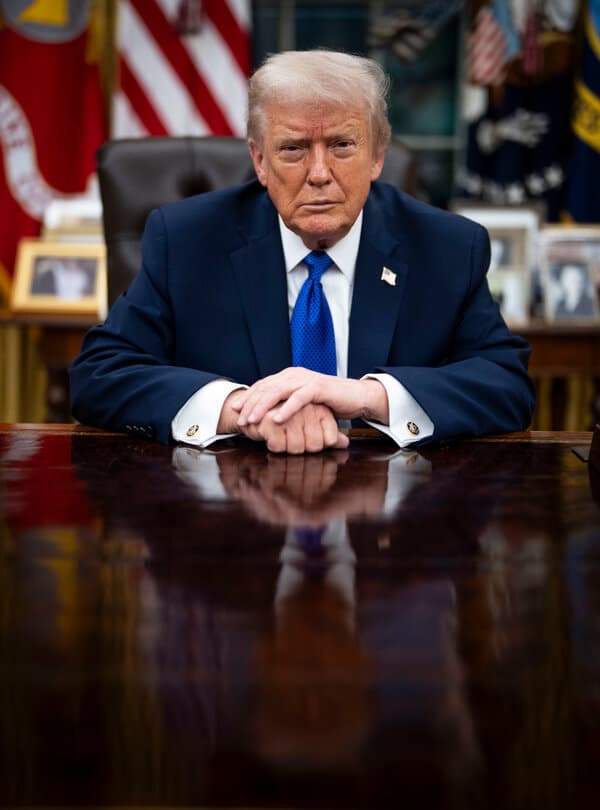
Former President Donald J. Trump has articulated a vision of executive authority in which the presidency is constrained not by institutional checks or legal norms, but by the leader's own internal moral compass. In a recent interview, Trump discussed his approach to governance, emphasizing a belief in unitary executive theory where the president holds expansive power to direct the government and the bureaucracy. He suggested that his decisions would be guided primarily by his personal sense of right and wrong, rather than by traditional political or judicial oversight. This perspective raises questions about the potential for a second Trump administration to challenge the independence of federal agencies and the rule of law. Trump's comments reflect a continued adherence to the 'America First' doctrine, prioritizing national interests as he defines them, often in defiance of international alliances and diplomatic protocols. He expressed confidence in his ability to discern the best course for the country, dismissing critics and established experts who advocate for caution and adherence to precedent. The interview touched on various aspects of his potential policy agenda, including trade, immigration, and the justice system. Trump indicated he would likely pardon individuals convicted of crimes related to the January 6th Capitol attack, viewing them as victims of a politicized legal system. His views on the military and intelligence agencies suggest a desire for greater personal loyalty from these institutions, moving away from their traditional apolitical stance. This emphasis on personal morality as the sole restraint on power represents a departure from the constitutional system of checks and balances designed to prevent the concentration of authority. Legal scholars and political opponents warn that such a stance could destabilize democratic institutions. Trump's narrative continues to resonate with a significant portion of the electorate who feel disenfranchised by the current political establishment and who view him as a strong leader willing to disrupt the status quo. The former president's rhetoric underscores the deep political polarization in the United States, as he prepares for another possible run for the White House. His refusal to fully acknowledge the results of the 2020 election remains a central point of contention. Ultimately, Trump's philosophy suggests a presidency where personal will triumphs over procedural constraints, a scenario that political analysts believe would test the resilience of American democratic norms.