Unveiling the Crisis: Why Inflation and Currency Collapse Are Fueling Iran's Escalating Protests
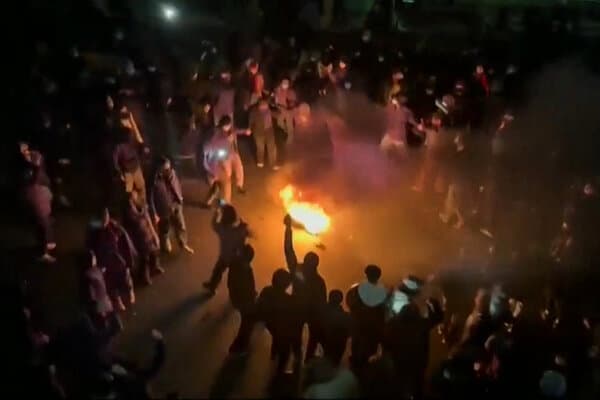
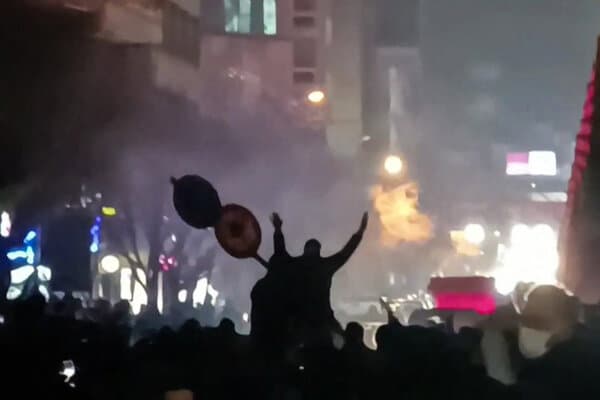
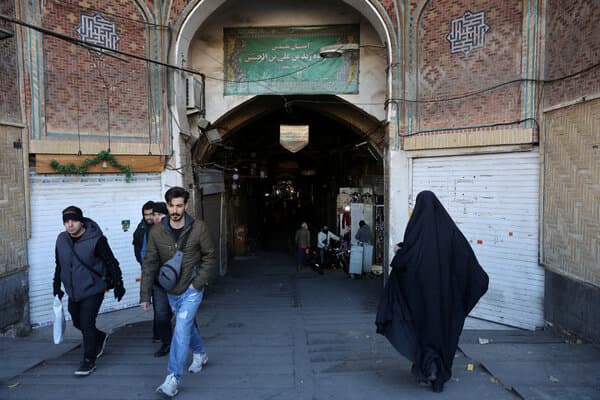
A wave of unrest is sweeping across Iran, driven not merely by political dissent but by a deepening economic collapse that is eroding the daily lives of its citizens. While international attention often focuses on the regime's nuclear ambitions or geopolitical tensions, the spark currently igniting the streets is a potent mix of runaway inflation and a plummeting currency. This economic crisis, exacerbated by years of crippling international sanctions and endemic mismanagement, has pushed ordinary Iranians to the brink, transforming quiet suffering into vocal defiance. The roots of this turmoil lie in the sharp devaluation of the Iranian rial. Once a symbol of national sovereignty, the currency has lost a staggering percentage of its value against the dollar in recent years. For the average Iranian, this isn't just a statistic on a financial chart; it represents a devastating erosion of purchasing power. The cost of essential goods—bread, cooking oil, medicine—has skyrocketed, placing them out of reach for a growing segment of the population. This economic suffocation has created a fertile ground for anger, with citizens blaming corruption and failed policies for their plight. Protests have erupted in major urban centers as well as smaller towns, signaling that the discontent is widespread. What began as demonstrations over specific economic grievances, such as the skyrocketing price of chicken and other staples, has often morphed into broader anti-government chants. Protesters are heard yelling slogans against the Supreme Leader and the clerical establishment, indicating that the economic misery has shattered the remaining patience of the populace. The government's response has been swift and severe, with security forces, including the Basij militia, deploying tear gas and birdshot to disperse crowds. Internet blackouts have been a common tactic to stifle organization and prevent images of the crackdown from reaching the outside world. The economic backdrop to these protests is complex. The withdrawal of the United States from the Joint Comprehensive Plan of Action (JCPOA) and the subsequent reinstatement of "maximum pressure" sanctions have been devastating. These sanctions have targeted Iran's oil exports, its lifeblood, and have severely restricted its access to the global financial system. However, domestic factors play an equally critical role. Rampant inflation is partly fueled by government printing of money to cover massive budget deficits. State subsidies, while intended to help the poor, are incredibly expensive and inefficient, draining the treasury while often failing to reach those most in need. The government has attempted to quell the anger with promises of intervention and the arrest of profiteers, but these measures have done little to stop the downward spiral. The removal of subsidies on fuel and food, a necessary but unpopular step to stabilize the budget, has further inflamed public sentiment. Inflation rates are estimated to be in the double or even triple digits, wiping out savings and making long-term financial planning impossible for families. The demographic of the protesters is also significant. Many of those on the streets are young Iranians who have known little but economic hardship and political repression. With high youth unemployment and a sense of hopelessness about the future, they have little to lose by speaking out. This generation is more connected to the outside world despite government censorship, and they see the disparity between their lives and those in neighboring countries or the Iranian diaspora. Furthermore, the protests highlight the ethnic and regional fractures within Iran. Demonstrations have been particularly fierce in provinces like Khuzestan, where the Arab minority faces discrimination and environmental neglect, yet the economic pain is felt across the country's diverse ethnic makeup. The统一 of the protests across different groups suggests a national crisis of confidence in the regime's ability to govern effectively. Internationally, the situation presents a dilemma. Western governments condemn the violence against protesters but are also navigating the complexities of nuclear negotiations. For the Iranian leadership, projecting strength and unity is paramount, and they often blame foreign enemies for instigating the unrest. The current cycle of protest and repression mirrors previous uprisings, such as those in 2009 and 2019, but the economic catalyst this time is arguably more acute. The combination of a global pandemic that devastated the economy, the failure of the nuclear deal to bring relief, and internal corruption has created a perfect storm. The Islamic Republic faces its most significant challenge in years, not from a foreign army, but from its own hungry and desperate people. Whether the regime can offer meaningful economic reform or whether it will continue to rely on brute force to maintain control remains the central question as Iran stands at a precarious crossroads.