Venezuela's Crisis Sends Shockwaves Through Global Politics and Markets
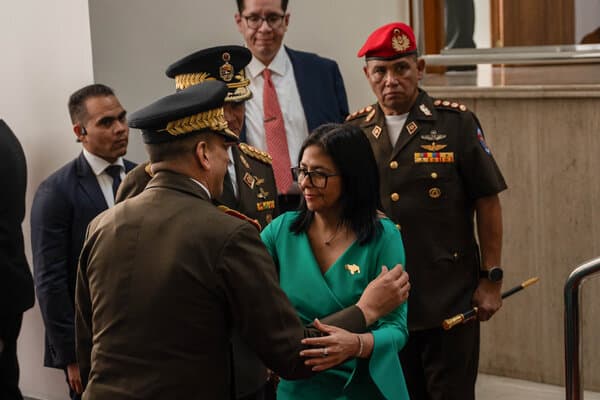
The political turmoil in Venezuela has escalated into a global crisis with far-reaching implications for international diplomacy, energy markets, and regional stability. As the situation intensifies under the Maduro regime, the United States and other world powers are grappling with how to respond to the deteriorating humanitarian and political landscape. The Trump administration's hardline stance against Nicolas Maduro has created a complex geopolitical chessboard where rival powers like Russia, China, and Iran are maneuvering to protect their interests. The crisis has already triggered significant economic ripples, particularly in oil markets, given Venezuela's vast reserves and its role as a key supplier to global markets. Countries in Latin America are feeling the pressure from mass migration, with Colombia and Brazil receiving hundreds of thousands of Venezuelan refugees fleeing economic collapse and political repression. The international community faces a difficult balancing act: imposing pressure on the Maduro government while avoiding actions that could worsen the humanitarian catastrophe or trigger broader regional conflict. US sanctions have effectively isolated Venezuela economically, but they have also pushed Caracas closer to adversaries of Washington, potentially complicating any path to a negotiated solution. Meanwhile, the Venezuelan military's loyalty to Maduro remains a critical factor, with analysts closely watching whether the armed forces will continue to back the government or eventually shift allegiance to the opposition. The crisis also raises concerns about the potential for foreign intervention, as both the US and regional actors weigh the risks and benefits of more assertive actions. Energy analysts warn that further instability could disrupt global oil supplies, potentially driving up prices and affecting economies worldwide. Diplomatic efforts, including those by the European Union and regional organizations, continue to seek a peaceful resolution, but deep divisions within the international community have hampered unified action. As the crisis drags on, its effects are being felt far beyond Venezuela's borders, influencing elections in other Latin American countries, straining international alliances, and highlighting the challenges of addressing authoritarian regimes in an interconnected world.