Venezuela's New Leader Faces Balancing Act with US and Domestic Elites
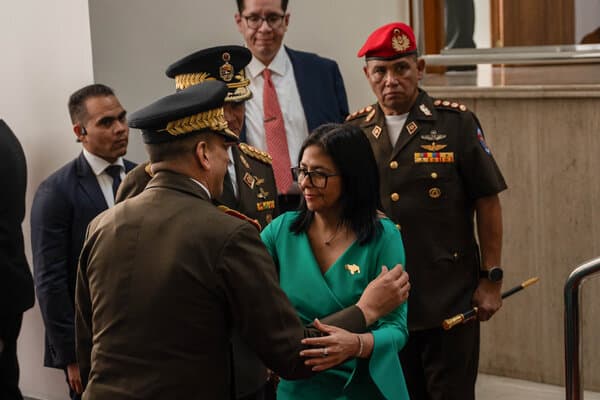
The ascent of a new leadership figure in Venezuela presents a complex diplomatic and domestic challenge. Navigating the intricate relationship with the United States while simultaneously managing the expectations and loyalties of powerful internal factions requires a delicate balancing act. This high-stakes political maneuvering defines the current landscape in Caracas. International observers are closely watching how this new administration will approach foreign policy, particularly regarding sanctions and diplomatic recognition. The United States maintains significant leverage through economic measures, and any shift in relations could have profound implications for the Venezuelan economy and its access to global markets. The new leader must consider these external pressures carefully. Simultaneously, the internal dynamics within Venezuela remain volatile. The influence of established elites, including military commanders and business oligarchs, continues to be a decisive factor in political stability. Keeping these groups aligned with the new government's agenda is essential for maintaining power and implementing policy, yet it often requires compromise on reformative promises. The tension between appeasing international demands for democratic reform and satisfying domestic power brokers creates a narrow path for the current administration. Every decision regarding economic policy or political restructuring is weighed against its potential to alienate key supporters at home or antagonize powerful adversaries abroad. The sustainability of this new leadership depends largely on its ability to thread this needle.