Venezuela's Oil Industry: A Timeline of Key Events
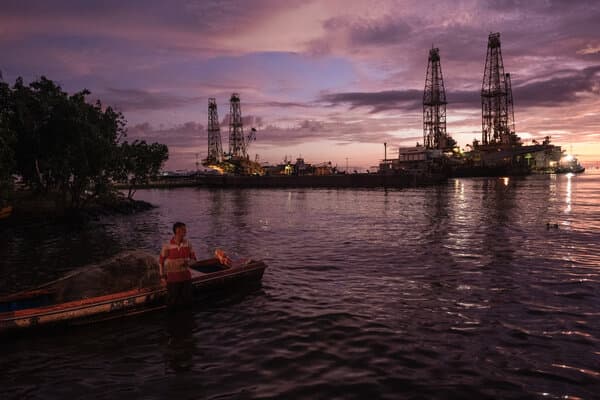
Venezuela's oil industry has been a cornerstone of its economy and a significant player on the global stage for over a century. The journey from the first discovery of oil to the present day is marked by nationalization, international sanctions, economic booms, and crippling busts. This timeline explores the pivotal moments that have shaped the industry and, by extension, the nation's destiny. **Early Discoveries and Foreign Dominance (Pre-1940s)** The story of Venezuelan oil begins in the late 19th century, but it wasn't until 1914 that the first commercially viable well, Zumaque I, was drilled, signaling the start of the oil boom. By the 1920s, Venezuela had become one of the world's leading oil exporters. International companies, primarily from the United States and Britain, dominated exploration and production. The revenue generated was substantial, yet the profits largely flowed out of the country, leaving the Venezuelan government with a relatively small share of the wealth. **Nationalization and PDVSA (1940s-1970s)** A shift in power dynamics began with the 1943 Hydrocarbons Law, which increased the government's take of oil profits. However, the defining moment came in 1976 under President Carlos Andrés Pérez when Venezuela nationalized its oil industry. The state-owned Petróleos de Venezuela, S.A. (PDVSA) was born. PDVSA was initially hailed as a model of efficiency and professionalism, and the nationalization brought immense wealth to the country, funding extensive social programs and infrastructure projects. **The Era of Mismanagement and Chávez (1990s-2012)** The oil price collapse of the 1980s and 1990s strained Venezuela's economy. Into this turmoil stepped Hugo Chávez, elected in 1998. Chávez viewed oil as a tool for geopolitical influence and social revolution. He tightly controlled PDVSA, replacing experienced technicians with political loyalists. In 2003, a massive strike at PDVSA led to the firing of nearly 20,000 employees, gutting the company's technical expertise. Revenue was diverted to fund social missions and foreign alliances, while maintenance and investment in the industry were neglected. **Sanctions and Collapse (2013-Present)** Following Chávez's death in 2013, Nicolás Maduro inherited an oil industry in shambles. Production began a steep decline. The situation was exacerbated by widespread corruption and mismanagement. International sanctions, particularly from the United States, severely restricted Venezuela's ability to export oil and access necessary equipment and technology. By the early 2020s, production had plummeted to historic lows, and the once-mighty oil giant was struggling to refine its own crude and was losing its grip on traditional markets. Despite occasional relief or changing geopolitical winds, the industry remains a shadow of its former self, a testament to the consequences of political interference and neglect.