What Happens If Federal and Local Law Enforcement Stop Cooperating?
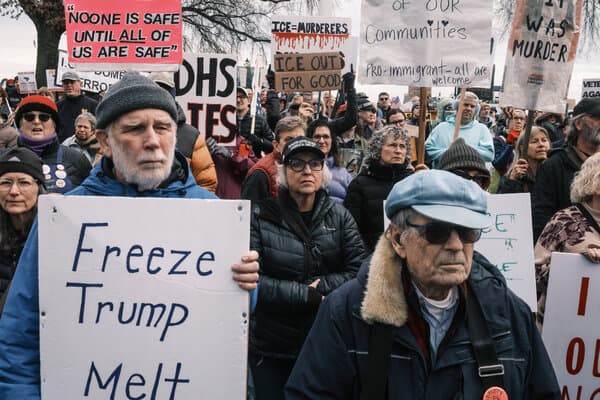
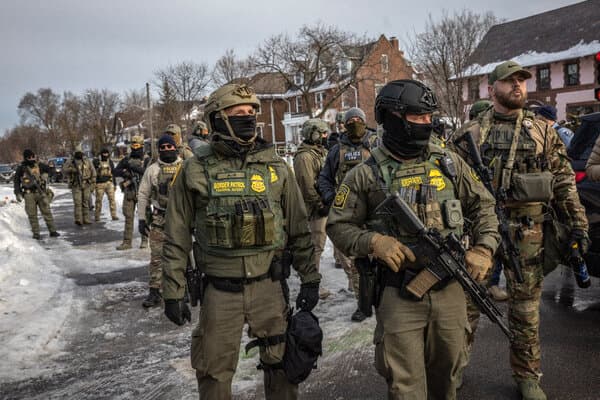
The intricate relationship between federal law enforcement agencies and local police departments is a cornerstone of American public safety. For decades, these two tiers of government have operated in a symbiotic partnership, sharing intelligence, resources, and jurisdiction to combat crime and respond to emergencies. However, this delicate balance is increasingly vulnerable to political polarization and leadership changes at the federal level. A breakdown in cooperation doesn't just mean hurt feelings in the nation's capital; it can have tangible, dangerous consequences on the streets of American cities, potentially leaving communities more vulnerable to organized crime, violent extremism, and civil unrest. At its best, the collaboration between the FBI, Drug Enforcement Administration (DEA), Homeland Security, and local police forces functions as a force multiplier. Local officers possess invaluable street-level knowledge, deep community connections, and an understanding of the specific dynamics of their beats. Federal agencies, by contrast, bring vast financial resources, sophisticated forensic technology, international reach, and the ability to dismantle sprawling criminal networks that extend far beyond a single municipality. When these entities work in tandem, they can investigate and prosecute cases that neither could successfully tackle alone. Yet, historical and contemporary frictions often arise from clashes over tactics, priorities, and constitutional boundaries. The post-9/11 era saw a massive push for 'intelligence-led policing,' which sometimes blurred the lines between military-style surveillance and community-oriented law enforcement. More recently, the summer of 2020 and the subsequent withdrawal from major cities highlighted deep rifts. When federal agents were deployed to cities like Portland and Chicago during civil unrest, many local mayors and police chiefs publicly disavowed their presence, claiming the federal tactics were inflammatory and counterproductive. This created a chaotic scenario where two different law enforcement entities with radically different approaches were operating in the same space without a unified command structure. The friction is often rooted in a fundamental disagreement over the role of federal power. Local officials often view federal intervention as an overreach that undermines their authority and alienates the communities they are sworn to protect. Conversely, federal officials sometimes view local directives or 'sanctuary' policies as obstructions to national security and the enforcement of federal law. This distrust can lead to a chilling effect on information sharing. If local police fear that sharing data with federal partners could lead to aggressive immigration enforcement or the militarized response to protests, they may simply stop cooperating. That silence creates blind spots where criminal organizations can operate with impunity. Furthermore, the political climate significantly impacts the operational level. A change in administration in Washington D.C. can result in a sudden shift in enforcement priorities—from focusing on civil rights investigations to prioritizing border security, or vice versa. These seismic shifts often leave local law enforcement agencies scrambling to adapt or choosing to disengage entirely to avoid being dragged into political controversies. For example, a sheriff's office might choose not to participate in a joint task force targeting a specific type of crime if they believe the federal government’s ultimate goal is purely political theater rather than genuine crime reduction. The consequences of this growing divide are multifaceted. On the counterterrorism front, a lack of coordination means potential threats might slip through the cracks. Local officers are often the first to spot signs of radicalization, but if that intelligence isn't shared with federal counterterrorism units, the broader threat picture remains incomplete. In the realm of narcotics, the opioid crisis is a national epidemic that relies on international supply chains. Without local cooperation to identify dealers and users, federal agents cannot effectively stem the flow of drugs into communities. Ultimately, the question is not just about bureaucratic friction but about public trust. The public expects law enforcement—at all levels—to work together seamlessly to ensure safety. When they see infighting, political posturing, or contradictory actions, faith in the system erodes. Rebuilding this cooperation requires moving beyond the 'us versus them' mentality. It demands clear, consistent policies that respect the sovereignty of local governments while acknowledging the legitimate role of federal law. It requires leaders who are willing to prioritize the safety of the public over the scoring of political points. If the relationship continues to deteriorate, the inevitable result will be a fractured approach to justice, where the safety of a community depends less on effective policing and more on the political winds of the day.