Yemen Separatist Leader Refuses Talks, Deepening Saudi-UAE Rift
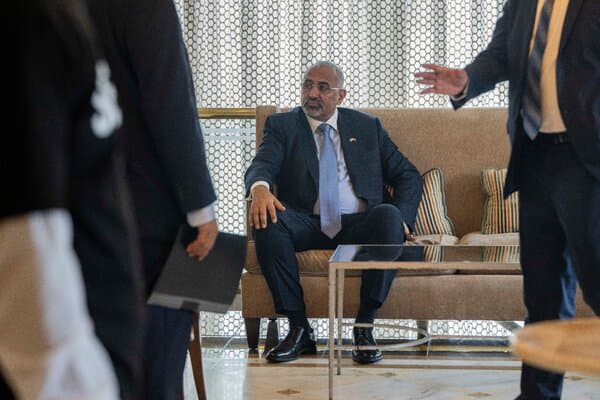
A prominent leader of Yemen's southern separatist movement has declined to participate in planned peace negotiations, a move that is exacerbating the growing rift between Saudi Arabia and the United Arab Emirates. The leader, Ali Zubaidi, head of the Southern Transitional Council (STC), reportedly refused an invitation to attend talks aimed at resolving the political crisis in Yemen. This refusal comes at a delicate time, as both Saudi Arabia and the UAE, who are allies in the fight against the Houthi rebels, are finding their interests diverging in the war-torn country. The STC, which is backed by the UAE, seeks to restore an independent southern state, a goal that often clashes with Saudi Arabia's vision for a unified Yemen under the internationally recognized government. The snub by Zubaidi is seen as a significant blow to Saudi-led efforts to present a united front and broker a lasting peace deal. Analysts suggest that the UAE's support for the separatists has complicated Saudi Arabia's diplomatic initiatives, creating a complex web of proxy conflicts within the broader Yemeni civil war. The failure to bring the STC to the table highlights the deep divisions that persist, not only between the warring parties in Yemen but also among the regional powers supporting them. It raises questions about the future of the coalition and the prospects for a peaceful resolution to a conflict that has caused one of the world's worst humanitarian disasters. The situation underscores the fragmented nature of the Yemeni conflict, where local grievances and regional rivalries intertwine, making a comprehensive settlement increasingly elusive. Saudi Arabia, which has invested heavily in the conflict, is now facing the challenge of managing its relationship with the UAE while trying to contain the ambitions of the separatist groups it has inadvertently empowered. As the talks are set to proceed without the key separatist representative, the potential for further escalation and fragmentation within Yemen remains high. The international community continues to watch closely, urging all parties to prioritize dialogue over violence, but the latest developments suggest that the path to peace is fraught with obstacles and competing agendas.