Yemeni Separatists Announce Disbanding Amidst Political Dispute
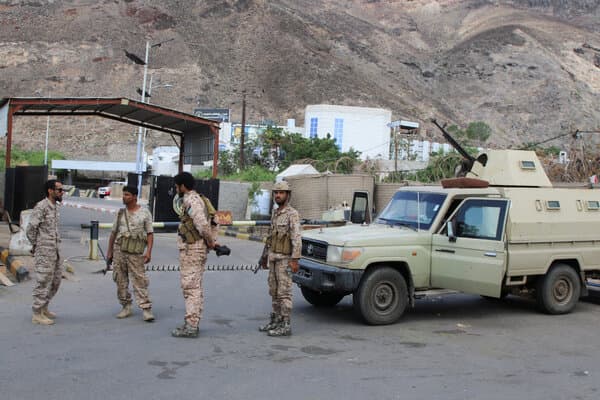
In a significant development within the ongoing Yemeni civil conflict, separatist groups operating in the southern regions of the country have declared their intention to disband. This announcement, however, has been met with immediate skepticism and controversy, with various political factions and international observers questioning the sincerity and implementation of the move. The Southern Transitional Council (STC) and its affiliated militias have long sought independence for the south, creating a complex front in the wider war against the Houthi rebels. The declaration suggests a potential shift in alliances and power dynamics that could impact humanitarian efforts and peace negotiations. Analysts argue that the disbanding may be a strategic maneuver rather than a genuine cessation of military operations. Local residents have expressed mixed reactions, hopeful for peace but wary of potential power vacuums or renewed infighting. The Yemeni government in Sana'a has not yet issued a comprehensive response, though officials have hinted that any dissolution must include the surrender of heavy weaponry and the integration of fighters into the national army. International aid organizations are monitoring the situation closely, as stability in the south is crucial for the delivery of food and medical supplies to millions facing famine. The history of the separatist movement is rooted in the brief existence of an independent South Yemen following the British withdrawal in 1967, and the subsequent unification with North Yemen in 1990, which led to a civil war in 1994. The current conflict, which began in 2014, has seen the STC emerge as a major power broker in the south, often clashing with the internationally recognized government forces they are supposedly allied with. The dispute over the disbanding announcement centers on whether the STC leadership has the authority to command its militias to lay down arms and whether fighters on the ground will comply. Reports from the ground indicate that while some units have begun withdrawing from checkpoints, others remain entrenched. The Saudi-led coalition, which supports the Yemeni government, has urged all parties to prioritize stability and return to political dialogue. The United Nations has warned that any fragmentation within the anti-Houthi coalition could derail the fragile peace process. Furthermore, the economic implications are vast; the control of southern ports and oil facilities by separatist forces has been a point of contention. If the disbanding is genuine, it could lead to the normalization of revenue flows to the central bank, but if it is a tactical retreat, it may signal a new phase of instability. Experts emphasize that without a clear political roadmap that addresses the grievances of the southern population, military solutions alone, including the disbanding of groups, will not lead to lasting peace. The international community remains cautious, watching for concrete actions rather than rhetoric. As the situation unfolds, the safety of civilians remains the paramount concern, with fears that any vacuum left by the separatists could be filled by extremist groups or lead to localized clashes between rival militias vying for control. The coming days will be critical in determining whether this announcement marks the beginning of the end for southern separatism as a military force or merely another chapter in Yemen's protracted tragedy. The government has demanded a full verification process, including the handing over of all military equipment and the cessation of all hostile activities. Meanwhile, separatist leaders insist they are committed to a peaceful transition but require guarantees for the safety of their members and recognition of their political aspirations. This complex standoff underscores the deep divisions within Yemeni society and the immense challenges facing any attempt to reunify the country under a single stable government.