Young Mothers Review: Teen Parents Breaking Generational Cycles
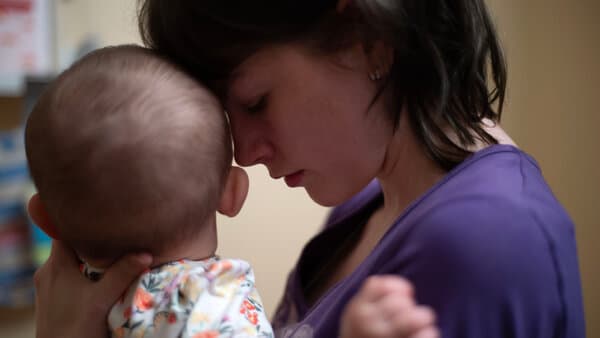
The documentary 'Young Mothers' by Yana Lekarska presents an unflinching and deeply empathetic look into the lives of teenage mothers in the war-torn Donetsk region of Ukraine. Filmed over the course of five years, the film moves beyond sensational headlines about early pregnancy to explore the complex socio-economic factors that force young women into motherhood and the immense resilience required to break the cycle of poverty and trauma. Lekarska, who herself became a mother at a young age, brings a unique and intimate perspective to the subject, avoiding judgment while capturing the harsh realities of her subjects' daily existence. The narrative centers on five young women: Alina, Sasha, Nastya, Diana, and Arina. Each comes from a background marked by broken homes, domestic instability, and the lingering psychological scars of living in a conflict zone. The film posits that for many of these girls, early pregnancy is not a deliberate choice but rather a desperate attempt to forge a family structure and find unconditional love that has been absent in their own lives. The camera follows them into cramped apartments, prenatal clinics, and courtrooms, providing a raw and unvarnished view of their journey. Alina, perhaps the film's most compelling figure, embodies the struggle for agency. At sixteen, she is determined to keep her baby and build a future, but she faces opposition from her own mother and the indifferent bureaucracy of the state social services. Her boyfriend, immature and unreliable, represents the precariousness of these young partnerships. Lekarska captures the tension between Alina's youthful optimism and the crushing weight of responsibility with profound sensitivity. We see her navigating the medical system, struggling to complete her education, and learning the basics of infant care, all while dealing with the judgment of society at large. The film is set against the backdrop of the ongoing conflict in Eastern Ukraine, a factor that exacerbates the challenges these young women face. The war has devastated the local economy, leaving few employment opportunities and creating an atmosphere of hopelessness that permeates the community. The lack of infrastructure and state support is palpable. The young mothers often rely on the help of overburdened grandmothers or charitable organizations for basic necessities like diapers and formula. This context is crucial; it illustrates that the crisis of teen motherhood is not isolated but is deeply intertwined with broader geopolitical and economic instability. Lekarska's observational style is remarkable for its lack of intrusive commentary. She allows the subjects to tell their own stories through their actions and conversations. The film is quiet, relying on the power of the image and the weight of silence to convey emotion. There are no dramatic reenactments or sensational interviews, just the stark reality of life unfolding. This approach forces the viewer to confront their own biases and to see these young women not as statistics or cautionary tales, but as individuals grappling with extraordinary circumstances. A central theme of the documentary is the concept of 'breaking the cycle.' The mothers are acutely aware of their own troubled upbringings and are fiercely protective of their children, striving to provide the stability and affection they never received. However, the film does not offer easy solutions or a romanticized vision of triumph over adversity. The path is fraught with setbacks. We witness moments of profound despair and isolation, particularly when the young fathers are absent or when the financial pressures become unbearable. The emotional toll is immense, and the film does not shy away from showing the moments when the weight of it all seems too much to bear. The role of the social workers is depicted as a lifeline, albeit a fragile one. These overworked professionals try to guide the girls, offering advice on parenting and helping them navigate the legal system to secure child support. Yet, their resources are limited, and they are often battling against deep-seated social apathy and systemic failures. The film highlights the critical need for comprehensive support systems—educational programs that allow young mothers to continue their studies, accessible childcare, and mental health services—to give these families a real chance at success. Visually, the film is both stark and beautiful. The cinematography captures the bleak, post-Soviet urban landscapes, but also finds moments of tender beauty in the interactions between mother and child. The close-ups on the babies' faces, the small hands gripping a mother's finger, serve as a powerful reminder of what is at stake. These moments of connection provide the emotional core of the film, illustrating the genuine love that exists alongside the hardship. 'Young Mothers' is not a film about teen pregnancy as a social problem to be solved; it is a film about human resilience in the face of compounding challenges. It challenges the viewer to look beyond the stigma and recognize the courage and determination it takes for these young women to raise their children against such overwhelming odds. Lekarska's work is a vital testament to the experiences of a vulnerable population often ignored or dismissed by mainstream society. It is a call for empathy and a deeper understanding of the cycles of poverty and trauma that perpetuate these situations. The documentary's power lies in its refusal to offer simple moralizing. It does not preach about the prevention of teen pregnancy, nor does it offer a fairy-tale ending. Instead, it presents a complex, nuanced portrait of life as it is for these young mothers: a blend of struggle, love, exhaustion, and hope. The film leaves the audience with a profound sense of the strength of the human spirit and a critical awareness of the societal failures that contribute to such difficult circumstances. Ultimately, 'Young Mothers' is a deeply moving and important piece of cinema. It humanizes a group that is too often dehumanized by statistics and stereotypes. Through Lekarska's compassionate lens, we see that motherhood, regardless of the age of the mother, is a universal experience defined by the same core emotions: love, fear, and an unwavering desire to protect one's child. The film is a powerful indictment of a world that fails its most vulnerable citizens and a tribute to the fierce love that endures despite it all. It is a must-watch for anyone interested in social justice, human rights, and the stories of women fighting for a better future for their children.