Research Vessel Araon Arrives at Thwaites Glacier for Critical Climate Study
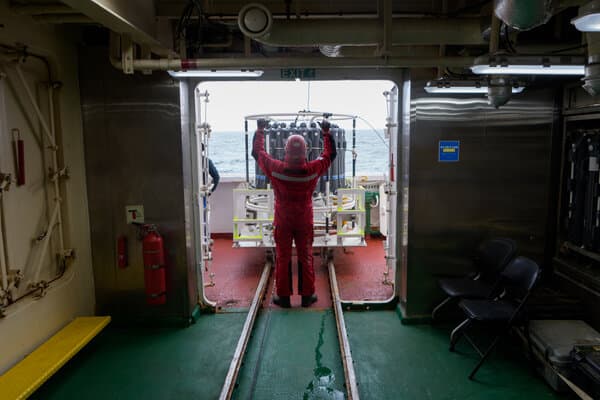
The South Korean icebreaker Araon has successfully reached the Thwaites Glacier in Antarctica, marking a significant milestone in a critical international climate research mission. This expedition aims to study the rapidly melting glacier, often referred to as the 'Doomsday Glacier' due to its potential impact on global sea levels. Scientists aboard the vessel are deploying advanced equipment to measure ocean temperatures and ice thinning rates in an effort to predict future sea level rise more accurately. The Thwaites Glacier is roughly the size of Florida and currently contributes to about 4% of global sea level rise. Researchers are particularly concerned about the stability of its ice shelf, which acts as a buttress for the land-based ice behind it. The arrival of the Araon allows for direct sampling of the warm water currents eroding the glacier from below. This data is crucial for validating climate models that project the pace of ice loss in West Antarctica. The mission involves a multidisciplinary team of researchers from various countries, highlighting the global importance of understanding Antarctic ice dynamics. The voyage is challenging, with the ship navigating through treacherous sea ice and harsh weather conditions typical of the Southern Ocean. The data collected will provide invaluable insights into the complex interactions between the ocean, atmosphere, and the Antarctic ice sheet. The International Thwaites Glacier Collaboration is a major scientific undertaking, and the Araon's presence underscores the commitment to unraveling the mysteries of this vulnerable region.