
Science
Acquired Tastes
Explore the fascinating science behind acquired tastes. From coffee to spicy food, learn how psychology, biology, and culture transform initial aversion into craving.
Ahmad Wehbe
Browse the latest science news and updates
Explore the fascinating science behind acquired tastes. From coffee to spicy food, learn how psychology, biology, and culture transform initial aversion into craving.

An unprecedented mission explores the depths of Antarctica's Thwaites Glacier. Scientists use submersibles to study rapid melt rates and predict future sea level rise.
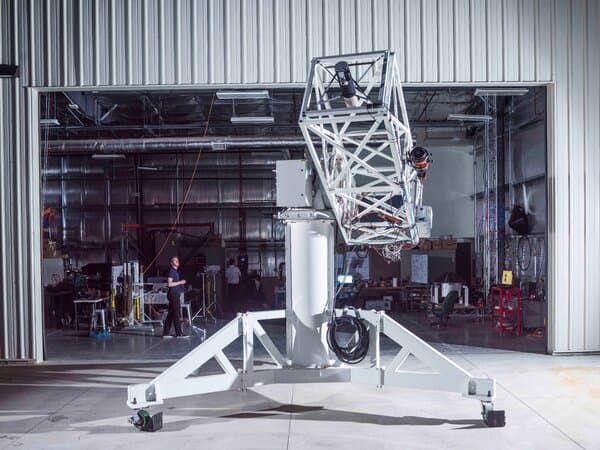
Eric Schmidt funds a new approach to astronomy: building networked, start-up style telescopes in Chile's Atacama Desert to rival giant observatories.
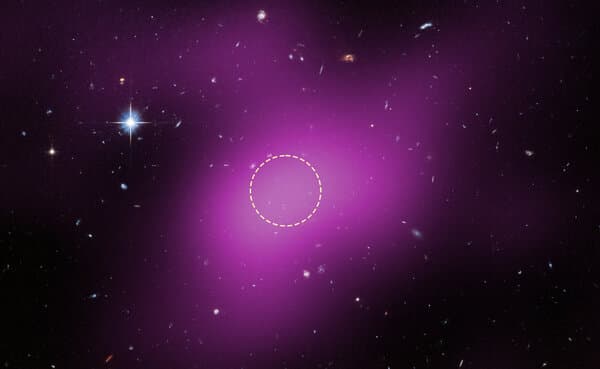
Astronomers have discovered 'Cloud-9,' a mysterious invisible galaxy containing massive amounts of gas but no stars or dark matter, challenging our understanding of cosmic evolution.
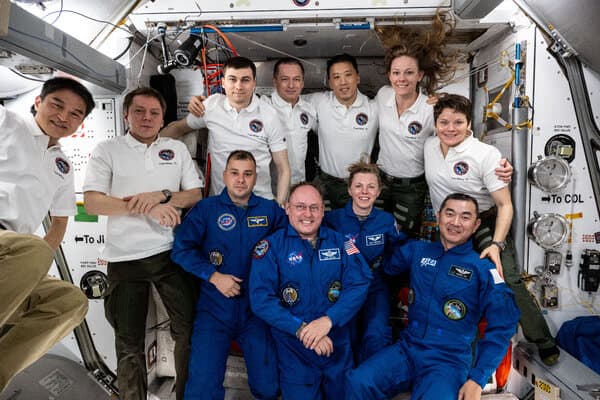
NASA will return I.S.S. astronauts home earlier than planned following a medical issue. The crew member is stable, and the decision prioritizes their health and safety.

Scientists have discovered that some dogs can learn the names of dozens of objects, a skill known as 'fast mapping.' This research reveals high cognitive abilities in canines.

The icebreaker Araon has reached the Thwaites Glacier in Antarctica to conduct critical research on its rapid melting, a major contributor to global sea level rise.

A NASA astronaut aboard the International Space Station may return to Earth early due to a medical issue. The condition is reported as non-life-threatening, prompting a precautionary evacuation to ensure the astronaut's health.

The South Korean icebreaker Araon has arrived at Antarctica's Thwaites Glacier, beginning a crucial mission to study the 'Doomsday Glacier' and its contribution to rising sea levels.
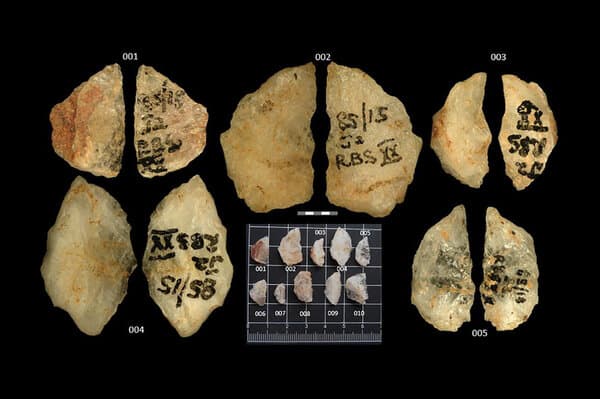
Archaeologists have found the oldest evidence of poisoned weapons on 60,000-year-old arrows in South Africa, revealing sophisticated ancient hunting technology.
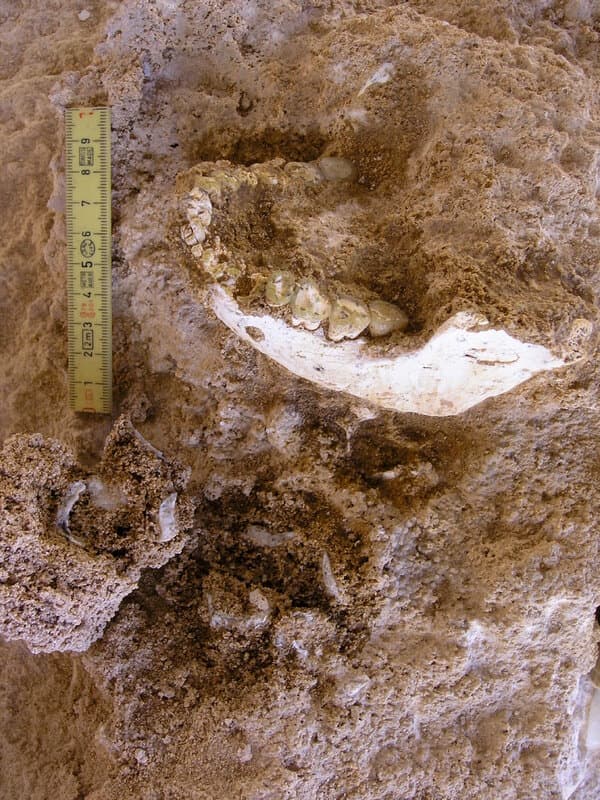
Excavations in Morocco reveal fossils that could bridge the gap in human evolution. Dated to 300,000 years ago, these remains challenge our understanding of human origins.
Caltech has appointed Ray Jayawardhana, a distinguished astronomer and current dean at Cornell University, as its new president. He will succeed Thomas F. Rosenbaum.